Can You Put Solar Panels on a Metal Roof? A Homeowner’s Guide

If you have a metal roof and are thinking about solar energy, one of the first questions is simple: can you put solar panels on a metal roof? For most U.S. homes, the answer is yes. In fact, metal roofs are often one of the best roof types for solar panels because they are strong, durable, and can last as long as—or longer than—the solar system itself.
But the right answer depends on your roof style, roof age, panel attachment method, local weather, and installer quality. This guide explains how solar panels work on metal roofs, what homeowners should check first, what mistakes to avoid, and when to call a roofing professional before signing a solar contract.
Quick Answer
Yes, you can put solar panels on a metal roof. Standing seam metal roofs are especially solar-friendly because panels can often attach with clamps without drilling through the roof. Exposed-fastener metal roofs can also support solar, but they usually require carefully sealed attachments and professional installation.
Why Metal Roofs Work Well With Solar Panels
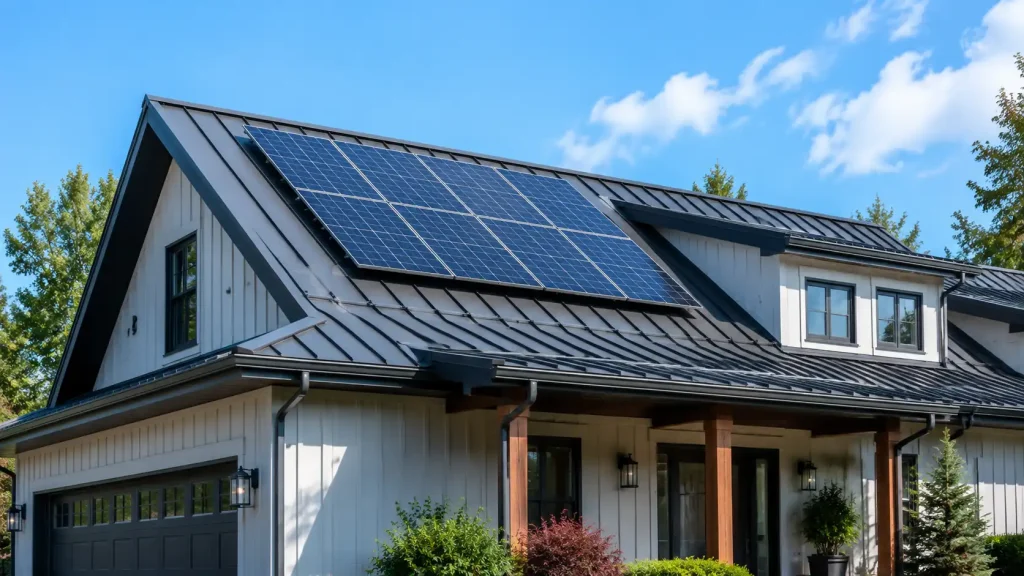
Metal roofing and solar panels are a strong match because both are long-lasting systems. Many solar panels are designed to produce power for 25 years or more, and a properly installed metal roof can often last several decades with routine maintenance.
This matters because removing solar panels to replace a failing roof can be expensive. According to the EPA’s site considerations for solar rooftop projects, roof age and condition are important because a solar system may need to be removed and reinstalled if the roof requires replacement during the system’s service life.
For homeowners, that means the best time to install solar is usually when:
- The metal roof is newer or in good condition.
- The roof has no active leaks.
- The roof structure can support the added load.
- The attachment method matches the metal roof profile.
- The solar installer and roofer coordinate before work begins.
The goal is not just to install solar panels. The goal is to install them without shortening the life of your roof.
Best Metal Roof Types for Solar Panels
Not all metal roofs are the same. The installation method depends heavily on the roof profile.
Standing Seam Metal Roofs
Standing seam roofs are usually the best metal roofs for solar panels. These roofs have raised vertical seams that run from the ridge down toward the eaves.
Solar mounting clamps can often grip the raised seams without drilling through the roof panel. This is a major advantage because fewer roof penetrations mean fewer leak risks.
The Metal Construction Association explains in its metal roofing and solar PV systems guidance that standing seam roofs can use attachment clamps that do not penetrate the roof surface when properly matched to the roof system.
For homeowners, this means a standing seam roof can offer:
- Lower leak risk
- Cleaner appearance
- Faster solar mounting
- Better long-term roof protection
- Less disturbance to the roof panels
Corrugated Metal Roofs
Corrugated metal roofs have wavy or ribbed panels. Solar panels can be installed on them, but the mounting system often requires fasteners through the metal panels.
That does not automatically mean it is a bad option. It simply means the installer must use the correct brackets, sealants, washers, and flashing details.
Poorly sealed fasteners are one of the biggest leak risks on exposed metal roofs. A small mistake around a screw hole can allow water into the roof deck over time.
R-Panel and Exposed-Fastener Metal Roofs
R-panel and other exposed-fastener roofs are common on homes, barns, garages, and additions. Solar can be installed on these roofs, but the attachment points need extra care.
The installer must avoid crushing the ribs, misaligning fasteners, or using incompatible metals. They also need to check the existing roof screws. If the roof fasteners are already loose, rusted, or worn, those issues should be corrected before solar installation.
Stone-Coated Metal Roofs
Stone-coated metal roofs look more like shingles, shakes, or tiles. Solar panels can sometimes be installed on them, but the process is more specialized.
The installer may need to remove and replace sections of roofing around mounting points. This work should be done carefully to protect the coating and maintain weather resistance.
How Solar Panels Attach to a Metal Roof
Solar panels do not sit directly on the roof surface. They are held by a mounting system. The mounting system transfers the weight and wind forces from the panels into the roof structure.
The attachment method depends on your metal roof type.
| Metal Roof Type | Common Solar Attachment Method | Leak Risk | Homeowner Notes |
|---|---|---|---|
| Standing seam | Non-penetrating seam clamps | Low when properly installed | Often the best option for solar |
| Corrugated metal | Brackets with sealed fasteners | Medium | Requires careful waterproofing |
| R-panel metal | Profile-specific brackets | Medium | Fastener condition matters |
| Stone-coated metal | Specialty mounts and panel adjustments | Medium to high | Needs experienced installer |
| Older metal roof | Depends on condition | Varies | Inspection is strongly recommended |
Key Benefits of Solar Panels on a Metal Roof
1. Long Service Life
A major benefit of metal roofing is durability. Since solar systems can remain in place for decades, a long-lasting roof is a better foundation than a roof near the end of its life.
If your roof is only a few years old and in good condition, it may be an excellent candidate for solar.
2. Fewer Roof Penetrations on Standing Seam Roofs
Standing seam roofs may allow solar panels to be attached with clamps. This helps avoid drilling through the roof surface.
That matters because every roof penetration must be sealed correctly. Fewer holes usually mean fewer future leak concerns.
3. Strong Performance in Many Climates
Metal roofs are used in hot, cold, coastal, snowy, and storm-prone regions. When solar panels are installed with the right wind and snow load design, they can work well in many climates.
However, high-wind areas require special care. The solar mounting system must be rated for local conditions and installed according to code.
4. Clean Appearance
Solar panels often look neat on standing seam metal roofs because the roof lines are straight and uniform. Rail systems or rail-less systems can create a clean, modern appearance.
5. Possible Energy Savings
Solar panels may lower electricity bills depending on your energy use, local utility rates, sun exposure, and available incentives. The U.S. Department of Energy’s step-by-step guide for consumers going solar recommends checking roof suitability, electricity needs, financing options, and installer qualifications before moving forward.
Possible Limitations and Risks
Solar on a metal roof can be a smart upgrade, but it is not risk-free. The main problems usually come from poor planning or poor installation.
Roof Leaks
Leaks can happen if brackets, fasteners, or flashing are installed incorrectly. This risk is higher on metal roofs that require penetrations.
Warning signs after installation include:
- Water stains on ceilings
- Damp insulation in the attic
- Rust around fasteners
- Loose or lifted brackets
- Dripping during wind-driven rain
Roof Warranty Issues
Some metal roof warranties may have rules about attachments, penetrations, or third-party work. If solar is installed incorrectly, it may affect roof warranty coverage.
Before signing a contract, ask:
- Will this installation affect my metal roof warranty?
- Are the mounts approved for my exact roof profile?
- Who is responsible if the roof leaks later?
- Will the roofer inspect the attachment plan?
Galvanic Corrosion
Galvanic corrosion happens when incompatible metals touch each other in the presence of moisture. For example, certain fasteners or brackets may react poorly with certain metal roof materials.
This can lead to staining, corrosion, and long-term roof damage. A qualified installer should use compatible materials and proper isolation where needed.
Wind Uplift
Solar panels catch wind. The mounting system must resist uplift forces, especially in hurricane-prone or high-wind regions.
This is not a place for guesswork. The system should be engineered for your location, roof structure, and local code requirements.
Walking Damage
Metal roofs can be damaged by careless foot traffic. Dents, scratches, bent seams, and damaged coatings may happen if workers walk in the wrong areas.
A good solar installer should understand how to walk on a metal roof without damaging panels, seams, or fasteners.
What to Check Before Installing Solar Panels

Before you approve a solar project, check the roof first. This step can save thousands of dollars later.
1. Roof Age
If your metal roof is near the end of its service life, replace or repair it before installing solar. Removing and reinstalling solar panels later can add major cost.
2. Roof Condition
Look for:
- Rust
- Loose fasteners
- Open seams
- Damaged flashing
- Old sealant
- Dented panels
- Previous leak repairs
- Soft roof decking underneath
A roof can look fine from the ground but still have problems around seams, penetrations, or flashing.
3. Roof Structure
Solar panels add weight. Most modern roofs can handle solar, but the structure still needs to be checked.
This is especially important for:
- Older homes
- Homes with previous roof modifications
- Homes in heavy snow regions
- Roofs with long spans
- Roofs with existing structural concerns
4. Sun Exposure
Solar panels need sunlight. Shade from trees, chimneys, nearby buildings, dormers, and vents can reduce performance.
A solar contractor should evaluate:
- Roof direction
- Roof pitch
- Shade patterns
- Usable roof area
- Obstructions
- Local solar production estimates
5. Attic and Ventilation Conditions
Solar panels should not block important roof ventilation. Ridge vents, attic fans, plumbing vents, and exhaust vents need proper clearance.
Poor ventilation can shorten roof life and increase attic heat or moisture problems.
DIY vs Professional Solar Installation on a Metal Roof
Solar installation is not a simple weekend roofing project. It involves electrical work, structural attachment, waterproofing, permitting, and safety risks.
| Task | DIY-Friendly? | Better Handled By a Professional? | Why It Matters |
|---|---|---|---|
| Checking roof age from records | Yes | Sometimes | Helps plan timing |
| Ground-level visual inspection | Yes | Sometimes | Good first step |
| Walking on metal roof | No | Yes | Slip and damage risk |
| Installing solar mounts | No | Yes | Leak and wind risk |
| Electrical connection | No | Yes | Code and safety issue |
| Structural load review | No | Yes | Prevents roof stress |
| Permit and inspection process | Sometimes | Yes | Local rules vary |
According to OSHA’s fall protection guidance for residential construction, roofing work presents serious fall hazards. Homeowners should avoid climbing onto a metal roof to inspect or install solar equipment unless they have proper training, equipment, and safe access.
For most homeowners, the safest role is planning, asking good questions, and hiring qualified professionals—not climbing onto the roof.
Cost Factors for Solar Panels on a Metal Roof
The cost of installing solar panels on a metal roof depends on more than panel price. Roof type and mounting details can affect the final estimate.
Common cost factors include:
- Roof size and layout
- Roof pitch and height
- Standing seam vs exposed-fastener profile
- Need for specialty clamps or brackets
- Electrical panel upgrades
- Local permit requirements
- Battery storage options
- Roof repairs before installation
- Snow guard or wind-load requirements
- Labor rates in your area
Standing seam roofs may sometimes reduce mounting complexity because clamps can attach to seams without drilling. Exposed-fastener roofs may require more waterproofing work around penetrations.
The cheapest quote is not always the best quote. A low bid can become expensive if it causes leaks, roof damage, warranty problems, or failed inspections.
Expert Tip:
Before signing a solar contract, ask the installer to identify your exact metal roof profile and show the specific mounting system they plan to use. If they cannot explain how the system attaches without damaging the roof, get a second opinion.
Questions to Ask Your Solar Installer
A reliable installer should be comfortable answering roofing questions, not just electrical questions.
Ask these before approving the job:
- What type of metal roof do I have?
- Will the solar mounts penetrate the roof?
- If penetrations are needed, how will they be sealed?
- Are the mounts compatible with my roof profile?
- Will the installation affect my roof warranty?
- Do you coordinate with a licensed roofing contractor?
- What happens if a leak appears after installation?
- Is the system designed for local wind and snow loads?
- Will the roof be inspected before installation?
- Who handles permits and final inspection?
A good contractor will answer clearly. A vague answer is a warning sign.
When to Call a Roofing Professional
Call a roofing professional before installing solar panels if your roof has any signs of damage, age, or uncertainty.
You should schedule a roof inspection if:
- The metal roof is more than 15–20 years old.
- You see rust, loose screws, or missing sealant.
- There are past or current roof leaks.
- Flashing around chimneys, skylights, or vents looks damaged.
- The roof has storm or hail damage.
- You do not know the roof’s age.
- The solar installer wants to drill into the roof.
- You have an exposed-fastener metal roof.
- Your home is in a high-wind, coastal, or heavy-snow area.
A roofer can check the roof surface, seams, flashing, fasteners, underlayment condition, and roof deck concerns. This helps you avoid covering existing problems with solar panels.
If the roof needs repairs, complete them before solar installation. It is usually easier and cheaper to fix roof problems before panels are mounted.
Common Mistakes Homeowners Should Avoid
- Installing solar on a roof that is near replacement age. This can lead to expensive panel removal later.
- Choosing a solar installer without metal roof experience. Metal roofs need profile-specific attachment methods.
- Ignoring roof warranty terms. Some warranties limit penetrations or require approved accessories.
- Assuming all metal roofs use the same mounts. Standing seam, corrugated, and R-panel roofs need different solutions.
- Skipping a roof inspection. Solar panels can hide existing leaks, rust, or flashing problems.
- Letting installers drill without a waterproofing plan. Every penetration needs proper sealing.
- Forgetting about snow and wind loads. Local weather should influence the mounting design.
- Not asking who is responsible for leaks. Get warranty and workmanship responsibilities in writing.
- Blocking roof vents. Solar panels should not interfere with attic ventilation or exhaust systems.
- Focusing only on energy savings. Roof protection is just as important as solar production.
FAQs
Can you put solar panels on a metal roof without drilling?
Yes, sometimes. Standing seam metal roofs can often use clamps that attach to the raised seams without drilling through the roof panels. Other metal roof types may require fasteners, brackets, and careful sealing.
Are metal roofs better than shingle roofs for solar panels?
Metal roofs can be better in many cases because they last longer and may allow non-penetrating solar mounts. Asphalt shingle roofs can also support solar, but they may need replacement sooner than a metal roof.
Will solar panels cause a metal roof to leak?
Solar panels should not cause leaks when installed correctly. Leaks usually happen when the wrong mounting system is used, fasteners are poorly sealed, or the roof already had problems before installation.
Do solar panels damage standing seam metal roofs?
They should not damage the roof if the correct seam clamps are used and installed properly. The clamps must match the roof profile and be tightened according to manufacturer instructions.
Should I replace my metal roof before adding solar panels?
Replace or repair the roof first if it is old, leaking, rusted, or near the end of its service life. Installing solar over a weak roof can create higher costs later.
Can solar panels be installed on corrugated metal roofs?
Yes, solar panels can be installed on corrugated metal roofs. However, they often require brackets that penetrate the roof surface, so proper sealing and installer experience are very important.
Who should inspect my metal roof before solar installation?
A qualified roofing contractor should inspect the roof before installation. A solar installer may check solar suitability, but a roofer is better trained to identify roof leaks, fastener problems, flashing defects, and panel damage.
Conclusion
So, can you put solar panels on a metal roof? Yes, and in many cases, a metal roof is one of the best roofing systems for solar panels. Standing seam metal roofs are especially strong candidates because they can often use non-penetrating clamps. Corrugated and exposed-fastener metal roofs can also work, but they need careful waterproofing and experienced installation.
The smartest next step is to inspect the roof before installing solar. Check the roof age, condition, fasteners, flashing, structure, warranty terms, and mounting method. Then choose a solar installer who understands metal roofing—not just solar equipment.
Before you spend money, get both the roof and solar plan reviewed. A careful decision now can help you protect your home, avoid leaks, and get better long-term value from your solar investment.