10 Roofing Nail Guns for Pros and Homeowners: Buying Guide


Disclosure: As an Amazon Associate I earn from qualifying purchases. This article contains affiliate links to Amazon. The product notes below are based on manufacturer specifications, product listings and published customer feedback, not on our own hands-on testing. Prices and availability change often, so please check Amazon for current details. Read our affiliate disclosure.
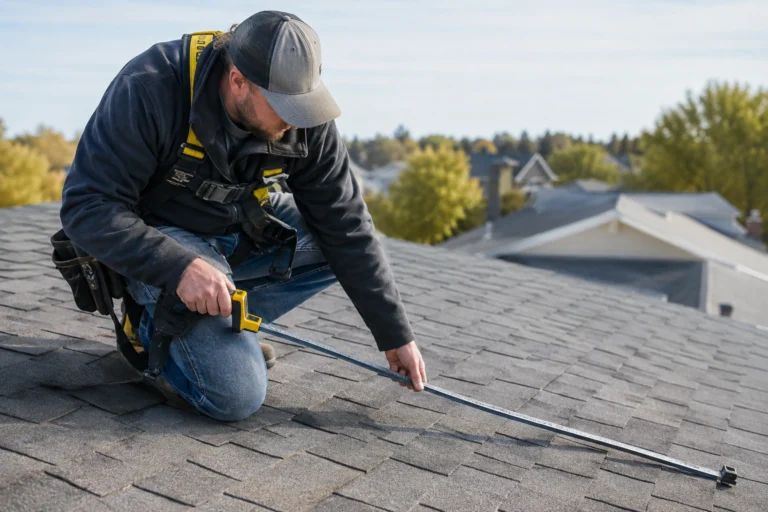
Roofing nail guns speed up roof installation and make fastening shingles more consistent than hammering by hand. These tools drive wide-head, corrosion-resistant roofing nails into shingles and underlayment, and they come in pneumatic and cordless models to suit different job sites and budgets. This guide covers roofing-grade coil nailers, not finish or framing nailers.
The main things to check when choosing a roofing nail gun are nail compatibility, power source and safety features such as sequential firing. Nail length range and coil capacity decide what materials the gun can handle and how often you reload, while the power source affects mobility and runtime. We compared the specifications and features of popular models to help you narrow down the right choice.
10 Roofing Nail Guns Worth Considering
The list below includes pneumatic and cordless options for professionals and DIYers. Always confirm the exact specifications on the product page before you buy, because listings can change.
1. Metabo HPT NV45AB2 Coil Roofing Nailer
Best for: professionals who already run an air compressor and want a well-known pneumatic roofing nailer.
- Pros: long-running model with a strong reputation among roofers; tool-less depth adjustment; relatively light for a pneumatic coil nailer.
- Cons: needs a compressor and hose; loud, so hearing protection is needed; reloading on a ladder can be awkward.
What to know: Designed for 15-degree wire-collated coil roofing nails. Customer reviews often mention consistent feeding and good balance. Make sure your compressor meets the pressure and air flow listed by the manufacturer.
Check current price and details on Amazon
2. Toolant Roofing Nailer
Best for: DIYers and small crews looking for a lower-cost pneumatic coil nailer.
- Pros: aluminum body listed as lightweight; works with common compressors and standard coil roofing nails; rubber grip.
- Cons: performance depends on keeping the compressor within the listed pressure range; plastic parts in the coil area need careful handling; less established brand.
What to know: A budget-minded option. Read the warranty terms and recent customer reviews, and check that the nail range covers your shingles.
Check current price and details on Amazon
3. Bostitch RN46 Coil Roofing Nailer
Best for: pros and serious DIYers who want a durable pneumatic nailer for roofing and some siding work.
- Pros: side-load canister for quicker coil changes; magnesium housing keeps weight down; depth adjustment and shingle guide.
- Cons: air hose needs managing on the roof; heavier than small brad nailers; needs a compressor.
What to know: A long-standing model, so replacement parts are widely available. Confirm the current feature set on the listing.
Check current price and details on Amazon
4. AeroPro CN45N Coil Roofing Nailer
Best for: buyers who want an affordable pneumatic coil nailer for occasional or moderate use.
- Pros: coil magazine listed at about 120 nails; side-loading magazine; some kits include spare parts.
- Cons: some customer reviews report trouble with shorter nails over time; some buyers report shipping damage; heavy daily use may need more maintenance.
What to know: Plan for routine oiling and occasional part replacement. Inspect the tool when it arrives.
Check current price and details on Amazon
5. DeWalt 20V MAX Cordless Roofing Nailer
Best for: roofers who want to work without a compressor or hose.
- Pros: no hose, so fewer trip hazards; brushless motor and bump firing mode; works with the DeWalt 20V battery platform.
- Cons: heavier than most pneumatic nailers; extra batteries add cost; some listings are tool-only.
What to know: Check whether the listing is a kit or tool-only. Convenient if you already own DeWalt 20V batteries.
Check current price and details on Amazon
6. DeWalt DW46RNR 15-Degree Coil Roofing Nailer (Renewed)
Best for: buyers who want a name-brand pneumatic nailer and are comfortable with a renewed unit.
- Pros: switchable bump and sequential firing; metal frame built for jobsite use; renewed units usually cost less than new.
- Cons: may show cosmetic wear; warranty terms differ from new tools; hose limits mobility.
What to know: Read the renewed product terms, return window and warranty before buying.
Check current price and details on Amazon
7. DeWalt 20V Cordless Roofing Nailer (Kit)
Best for: repair work and small roofing jobs where quick setup matters.
- Pros: cordless, so no compressor; tool-free depth adjustment; good fit for patch jobs.
- Cons: designed for roofing nails, not dense non-roofing materials; a spare battery helps on long days; heavier than pneumatic options.
What to know: Compare this listing with the tool-only version to see which includes a battery and charger.
Check current price and details on Amazon
8. Bostitch 15-Degree Coil Roofing Nailer
Best for: contractors who already use pneumatic tools and want a lighter roofing nailer.
- Pros: listed weight of about 5.3 lbs; depth adjustment wheel; overmolded grip and dual-door magazine.
- Cons: needs a compressor; nose insert wears with heavy use; jam clearing takes practice.
Check current price and details on Amazon
9. Metabo HPT NR90AES1 Framing Nailer
Best for: roof decking and sheathing. This is a framing nailer, not a shingle nailer.
- Pros: listed weight of about 7.5 lbs, light for a framing nailer; sequential and contact firing; tool-less depth adjustment.
- Cons: not suitable for shingles; uses plastic-collated strip nails; needs a compressor.
Check current price and details on Amazon
10. DeWalt Cordless Roofing Nailer
Best for: roofers who prefer cordless tools for regular re-roof jobs.
- Pros: no hose or compressor; rugged build from a major brand; designed for common roofing nail sizes.
- Cons: listed weight near 12 lbs; battery and charger may not be included; learning curve for jam clearing.
Check current price and details on Amazon
Buying Guide
Power source. Pneumatic nailers are usually lighter and consistent but need a compressor. Cordless models add mobility but weigh more and need batteries.
Nail size and capacity. Check compatible nail lengths and collation type. A larger magazine means fewer reloads.
Depth adjustment. Easy depth control helps prevent over-driving nails and damaging shingles.
Firing mode and safety. Bump mode is faster; sequential mode gives more control. Follow the manufacturer’s safety instructions.
Weight, warranty and parts. A balanced tool reduces fatigue. Look for available service parts and a clear warranty.
| Feature | What to check | Why it matters |
|---|---|---|
| Power source | Pneumatic vs cordless | Mobility and runtime |
| Nail compatibility | Length, coil vs strip | Job fit |
| Depth control | Easy adjustment | Prevents shingle damage |
| Firing mode | Sequential vs bump | Safety and speed |
| Weight | Grip and balance | Reduces fatigue |
| Warranty | Coverage and parts | Long-term reliability |
Our Top Pick
For most professional roofers with a compressor, the Metabo HPT NV45AB2 is our top pick based on its long track record, light weight for a pneumatic coil nailer and widely available parts. If you want to avoid a compressor, start with the DeWalt 20V MAX cordless roofing nailer.
FAQs
What type of nail gun is best for roofing?
A coil roofing nailer is the usual choice for shingles because it holds more nails.
Can I use a framing nailer for roofing?
Not for shingles. Framing nailers use larger nails and can damage shingles. Use one only for decking or framing.
What nails should I use?
Galvanized or stainless steel roofing nails, following the shingle manufacturer’s instructions for length and placement.
How do I set the depth?
Adjust until nails sit flush without cutting into the shingle. Test on scrap shingles first.
Is an air compressor required?
Only for pneumatic nailers. Cordless models run on batteries.
What safety gear do I need?
Eye and hearing protection, gloves and proper fall protection. Disconnect air or remove the battery before clearing jams.
Conclusion
Match the nail gun to your job size, roofing material and existing tools. Pneumatic coil nailers suit high-volume shingle work, while cordless models suit repairs and jobs where a hose gets in the way. Always follow the manufacturer’s instructions, wear protective gear and use fall protection on the roof.