Why Are Metal Roofs So Expensive? A Homeowner-Friendly Cost Guide

If you have started comparing roof replacement prices, you may be wondering why are metal roofs so expensive compared with regular asphalt shingles. The price difference can feel surprising, especially when two roofs cover the same house.
The simple answer is that metal roofing costs more because the materials, installation skills, fastening systems, coatings, trim pieces, and labor requirements are more advanced. A metal roof is not just a sheet of metal placed over your home. It is a complete roof system designed to manage water, wind, heat, expansion, and long-term wear.
In this guide, Roofers Gazette explains what makes metal roofs cost more, when the higher price may be worth it, when shingles may still make sense, and what homeowners should check before hiring a contractor.
Quick Answer
Metal roofs are so expensive because they use higher-cost materials, require skilled installation, need special fasteners, flashing, underlayment, coatings, and trim, and often last much longer than asphalt shingles. The upfront price is higher, but many homeowners choose metal roofing for durability, lower maintenance, energy performance, and long-term value.
Why Metal Roofs Cost More Than Shingles
A metal roof usually costs more because almost every part of the system is more specialized. Asphalt shingles are widely available, easier to install, and familiar to most roofing crews. Metal roofing requires more precision.
The biggest cost drivers include:
- Type and thickness of metal
- Panel profile, such as standing seam or exposed fastener
- Paint finish or protective coating
- Roof complexity
- Labor skill
- Flashing and trim details
- Ventilation and underlayment upgrades
- Local building code and wind requirements
The higher price is not only for the metal panels. You are also paying for the roof system, the installer’s skill, and the long-term performance.
The Main Cost Factors Behind Metal Roofing
1. Metal Roofing Materials Cost More
Metal roofing panels are more expensive to manufacture than asphalt shingles. Shingles are made in large quantities using asphalt, fiberglass mats, and granules. Metal panels require rolled steel, aluminum, copper, zinc, or other metals.
Common residential metal roofing materials include:
- Galvanized steel
- Galvalume steel
- Aluminum
- Copper
- Zinc
Steel is often the most common choice for homes because it balances strength, cost, and availability. Aluminum is popular near coastal areas because it resists rust better. Copper and zinc are premium materials and can cost much more.
The metal thickness also matters. Thicker panels usually cost more, but they may offer better dent resistance and durability. A lower-cost thin metal roof may not perform the same as a properly specified roof system.
2. Standing Seam Systems Are More Expensive
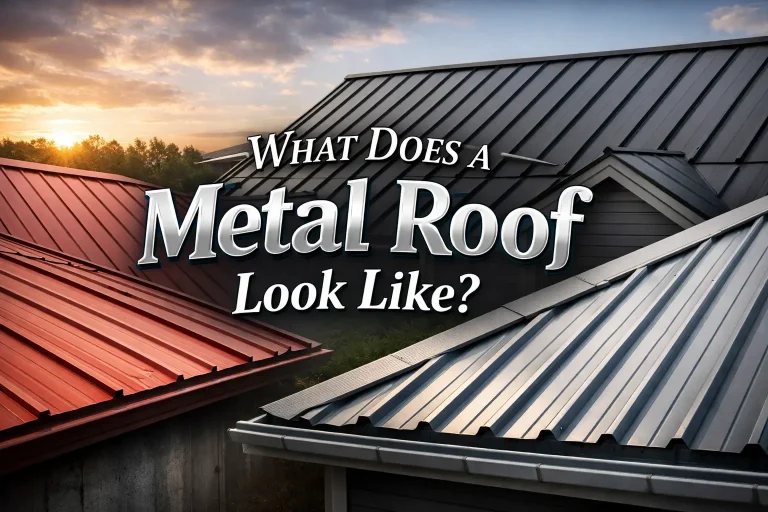
Not all metal roofs cost the same. A standing seam metal roof usually costs more than an exposed-fastener metal roof.
A standing seam roof has raised vertical seams that hide the fasteners. This gives the roof a cleaner look and better protection because screws are not exposed directly to rain and sunlight.
An exposed-fastener roof uses screws through the face of the panel. It is usually cheaper, but the rubber washers around the screws can wear over time.
Here is a simple comparison:
| Metal Roof Type | Upfront Cost | Appearance | Maintenance | Best For |
|---|---|---|---|---|
| Exposed-fastener metal roof | Lower | More agricultural or simple | More screw maintenance | Garages, sheds, barns, budget projects |
| Standing seam metal roof | Higher | Clean and modern | Lower long-term maintenance | Homes, coastal areas, high-value properties |
| Copper or zinc roof | Very high | Premium and distinctive | Low, but specialized | Historic homes, luxury projects |
If you received a high quote, check whether it is for standing seam. That alone can explain a large part of the price difference.
Labor Is a Major Reason Metal Roofs Are Expensive
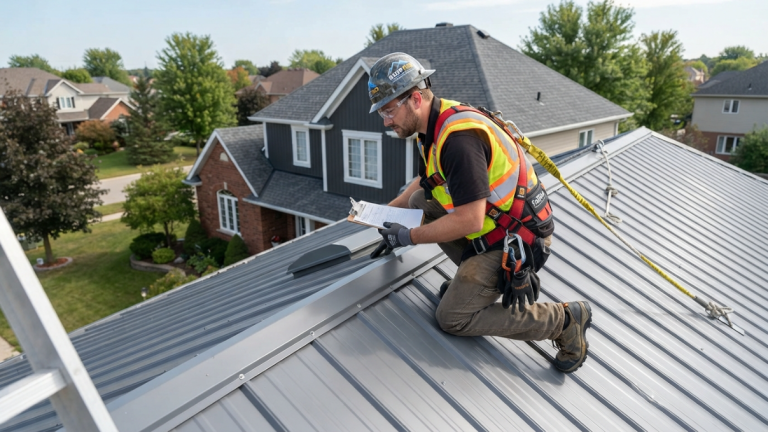
Metal roofing installation is more technical than asphalt shingle installation. A good metal roof needs careful layout, cutting, bending, fastening, flashing, and sealing.
Small mistakes can cause big problems later. For example, a poorly installed flashing detail around a chimney can leak even if the panels are high quality.
Metal panels also expand and contract as temperatures change. Installers must allow for this movement. If the system is fastened incorrectly, panels can oil-can, buckle, loosen, or leak.
That is why experienced metal roofing crews often charge more. You are not only paying for labor hours. You are paying for skill, tools, and risk control.
Metal Roofs Require Special Tools and Training
Asphalt shingles can be cut with simple roofing knives and installed with common roofing nailers. Metal roofing often requires more specialized tools.
A metal roofing crew may need:
- Panel shears
- Seamers
- Brakes for bending trim
- Snips and nibblers
- Specialty fasteners
- Fall protection equipment
- Panel handling tools
Long metal panels can be difficult to move and install safely. They can bend, scratch, or crease if handled carelessly. On steep roofs, the work becomes even more demanding.
Roofing is also dangerous work. The OSHA residential fall protection guidance explains why proper fall protection is important for workers on residential construction projects. For homeowners, this is a reminder that cheaper labor is not always safer labor.
Roof Design Can Make Metal Roofing More Expensive
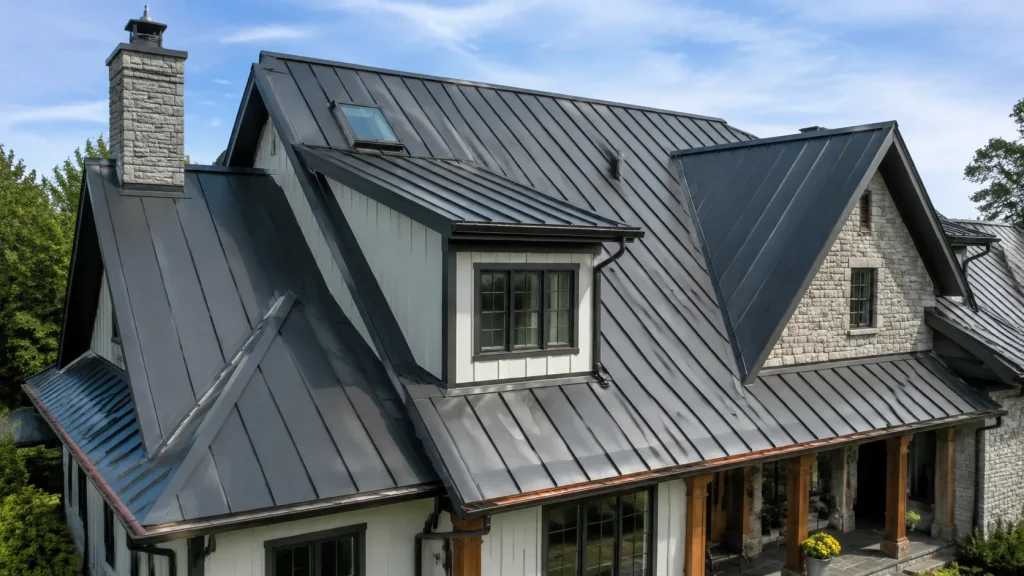
A simple roof costs less to cover than a complicated roof. This is true for shingles too, but the difference can be more noticeable with metal.
Metal roof pricing increases when your home has:
- Multiple valleys
- Dormers
- Skylights
- Chimneys
- Sidewalls
- Complex hips and ridges
- Steep slopes
- Many roof penetrations
- Unusual roof shapes
Every cut, bend, seam, and flashing detail takes time. Complex roofs also create more waste because panels must be trimmed to fit.
A plain gable roof may be fairly efficient for metal panels. A roof with many angles may require much more labor and material.
Underlayment, Flashing, and Trim Add to the Price
A roof is more than the visible surface. Under the metal panels, the contractor may install synthetic underlayment, ice and water shield, ventilation products, closures, clips, drip edge, ridge caps, sealants, and flashing.
These parts matter because they help control water and air movement.
Important metal roofing components include:
- Underlayment: A protective layer between the roof deck and the panels.
- Flashing: Metal pieces that direct water away from walls, chimneys, skylights, and valleys.
- Ridge cap: Trim that covers the peak of the roof.
- Closure strips: Pieces that seal gaps under shaped panels.
- Clips: Hidden attachments used in some standing seam systems.
- Fasteners: Screws or clips designed for metal roofing movement.
Cheap quotes may leave out important details. A low price can become expensive if the roof leaks around a chimney, wall, or valley.
Coatings and Paint Finishes Increase Cost
Many residential metal roofs have factory-applied coatings. These coatings protect the metal from corrosion, fading, and weather exposure.
Higher-quality finishes usually cost more. However, they can help the roof keep its color and resist chalking over time.
Some metal roofs are also designed to reflect more sunlight. The ENERGY STAR cool roof guidance explains that cool roofs can reflect sunlight and release heat, which may help keep roof surfaces cooler in sunny climates.
This does not mean every metal roof will automatically lower your energy bill. Color, coating, insulation, attic ventilation, climate, and home design all matter. A light-colored, properly ventilated roof in a hot region may offer more comfort benefits than a dark roof in a cool region.
Metal Roofs Often Last Longer
One reason metal roofing costs more upfront is that it is built for longer service life. A basic asphalt shingle roof may need replacement sooner, especially in harsh climates. A properly installed metal roof can often last for several decades.
That longer lifespan can change the value calculation.
For example, a homeowner may compare:
- A lower-cost shingle roof that may need replacement again later
- A higher-cost metal roof that may last longer with less frequent replacement
The right choice depends on how long you plan to stay in the home, your budget, local weather, and the quality of the installation.
A metal roof is only a good investment if it is installed correctly. Poor workmanship can reduce the lifespan of even the best material.
Metal Roofing Can Improve Wind and Weather Performance
Metal roofs can perform very well in severe weather when they are properly designed and installed. This is one reason homeowners in storm-prone, snowy, or wildfire-risk areas may consider metal.
However, performance depends on the full system. Panel type, fasteners, deck condition, flashing, and local code requirements all matter.
The FEMA building codes toolkit for homeowners explains that building codes set minimum design and construction requirements to protect health and safety. For roofing, this means homeowners should ask whether the proposed roof meets local wind, fire, and structural requirements.
Metal roofing can help with:
- Wind resistance
- Fire resistance
- Snow shedding
- Impact performance, depending on product rating
- Long-term weather exposure
Still, no roof is damage-proof. Large hail, falling branches, poor installation, and neglected maintenance can damage metal roofing.
Metal Roofs Are More Expensive Because Mistakes Are Costly
With shingles, replacing a small section is often straightforward. With metal panels, repairs can be more involved.
A mistake in panel measurement, seam alignment, or flashing layout may require removing long panels or custom trim. This raises the risk for the contractor, and that risk is reflected in the price.
Common installation mistakes include:
- Fasteners installed too tight or too loose
- Poorly sealed roof penetrations
- Incorrect flashing around chimneys
- Wrong underlayment for the roof type
- Panels cut too short
- Poor allowance for expansion and contraction
- Mixing incompatible metals
- Scratched coatings left untreated
These mistakes can lead to leaks, rust, noise, panel movement, and early failure.
Is a Metal Roof Worth the Higher Price?
A metal roof may be worth it if you want a long-lasting roof and plan to stay in the home for many years. It may also make sense if your area has strong sun, heavy rain, snow, high winds, or frequent roof wear.
A metal roof may be a smart choice if:
- You want long-term durability
- You prefer lower maintenance
- Your roof shape is suitable for metal panels
- You want a cleaner modern look
- You live in a climate where metal performs well
- You are prepared to hire a qualified installer
A metal roof may not be the best choice if:
- You need the lowest upfront price
- You plan to sell the home very soon
- Your roof has many complex details that make the cost too high
- You cannot find an experienced local metal roofing contractor
- Your HOA limits metal roof styles or colors
Best decision point: Compare total value, not just the first quote.
Metal Roof Cost vs Shingle Roof Cost
Metal roofing usually costs more upfront than asphalt shingles. The exact difference depends on your market, roof size, material, and contractor.
Here is a homeowner-friendly comparison:
| Cost Factor | Asphalt Shingles | Metal Roofing |
|---|---|---|
| Upfront price | Lower | Higher |
| Installation difficulty | Moderate | Higher |
| Lifespan | Shorter to moderate | Longer when installed correctly |
| Maintenance | Moderate | Usually lower, but still needed |
| Repair simplicity | Often easier | Can be more specialized |
| Weather performance | Product-dependent | Often strong when properly installed |
| Appearance | Traditional | Modern, clean, or premium |
| Best for | Budget-focused replacement | Long-term value and durability |
The cheapest roof is not always the best roof. But the most expensive roof is not automatically the best choice either.
Why Some Metal Roof Quotes Are Much Higher Than Others
Homeowners often receive metal roof quotes that vary widely. This can be confusing.
The difference may come from:
- Panel type
Standing seam costs more than exposed-fastener panels. - Metal quality
Thicker panels and better coatings cost more. - Roof complexity
More valleys, dormers, skylights, and chimneys raise labor costs. - Tear-off needs
Removing old roofing adds labor and disposal fees. - Deck repairs
Rotten or damaged plywood must be fixed before installation. - Ventilation upgrades
A roof replacement is often the right time to correct attic ventilation. - Warranty level
Better workmanship and manufacturer warranties may cost more. - Contractor experience
Skilled metal roofing contractors often charge more because the work requires precision.
Do not compare quotes only by the final number. Compare what each quote includes.
Expert Tip
Expert Tip: Before choosing the lowest metal roof quote, ask the contractor to show exactly what underlayment, flashing, fasteners, trim, ventilation, and warranty are included. Many expensive roof problems start with missing details that were never written into the estimate.
Hidden Costs Homeowners Should Watch For
Some metal roofing costs are not obvious at first. Ask about them before signing a contract.
Possible extra costs include:
- Old roof tear-off
- Disposal fees
- Rotted decking replacement
- Fascia or soffit repairs
- Gutter removal and reinstallation
- Skylight flashing kits
- Chimney flashing work
- Ridge vent upgrades
- Permits
- Structural repairs
- HOA approval requirements
A good contractor should explain these items clearly. The estimate should also say what happens if hidden damage is found after the old roof is removed.
Safety and DIY Limitations
Metal roofing is not a good DIY project for most homeowners. Panels can be slippery, sharp, heavy, and difficult to control in wind. Mistakes can also void product warranties or create leaks.
DIY work may be especially risky if your roof is:
- Steep
- Two stories or higher
- Wet or shaded
- Damaged
- Complex
- Near power lines
- Covered with long panels
Do not walk on a metal roof unless you know the safe walking areas and have proper safety equipment. Some panels can dent, scratch, or become slippery.
For small maintenance tasks, it is usually safer to inspect from the ground with binoculars or hire a professional.
When to Call a Roofing Professional
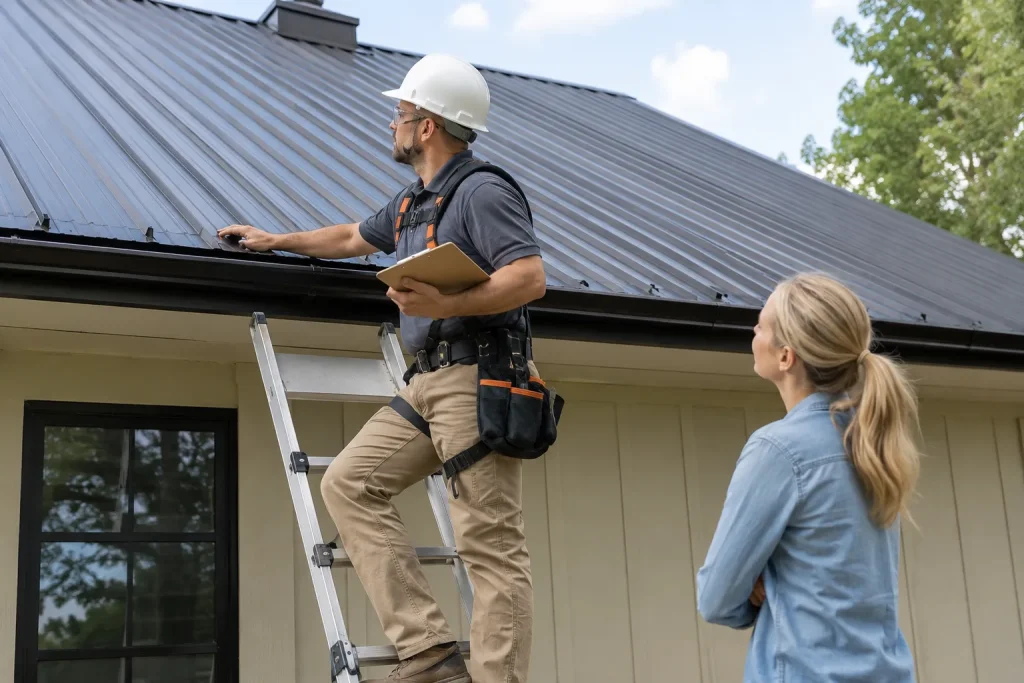
Call a roofing professional before choosing metal roofing if you are unsure about your roof’s structure, slope, ventilation, or local code requirements.
You should also call a professional if you notice:
- Active roof leaks
- Rust stains
- Loose or missing fasteners
- Bent or lifted panels
- Damaged flashing
- Sagging roof areas
- Soft or rotten decking
- Mold or moisture in the attic
- Poor attic ventilation
- Storm or hail damage
A professional inspection can help you decide whether you need repair, replacement, or a full roof system upgrade.
For homeowners comparing materials, resources from groups like the Metal Construction Association can also help explain general metal roofing benefits such as durability, energy efficiency, and fire protection. Still, product selection should be matched to your home, climate, and budget.
How to Decide If a Metal Roof Makes Financial Sense
Use a simple decision process before committing.
1. Estimate How Long You Will Stay in the Home
If you plan to stay for many years, a metal roof may offer better long-term value. If you plan to sell soon, shingles may make more financial sense unless metal roofing is highly valued in your area.
2. Compare More Than Upfront Price
Ask about lifespan, maintenance, warranties, energy performance, and repair costs. A cheaper roof that needs replacement sooner may not be cheaper over time.
3. Look at Your Climate
Metal roofing can be a strong option in areas with heat, snow, heavy rain, high wind, or fire concerns. But the product must match local conditions.
4. Check Your Roof Shape
A simple roof may be a better candidate for metal. A complex roof can still use metal, but the cost may rise sharply.
5. Verify Contractor Experience
Ask how many metal roofs the contractor installs each year. Ask for local photos, references, warranty details, and proof of insurance.
6. Review the Full Estimate
Make sure the estimate includes materials, labor, tear-off, underlayment, flashing, trim, ventilation, permits, cleanup, and warranty terms.
Questions to Ask Before Hiring a Metal Roofing Contractor
Before signing, ask these practical questions:
- What type of metal roofing system are you quoting?
- Is this standing seam or exposed fastener?
- What gauge or thickness is the metal?
- What paint or coating system is included?
- What underlayment will be used?
- How will chimneys, skylights, and valleys be flashed?
- Will the old roof be removed?
- How will damaged decking be priced?
- Does the roof meet local code and wind requirements?
- What workmanship warranty do you provide?
- Are your installers trained for this specific system?
- Can I see recent local projects?
A reliable contractor should answer clearly. Vague answers are a warning sign.
Common Mistakes Homeowners Should Avoid
- Choosing the cheapest quote without checking details. A low price may leave out flashing, ventilation, tear-off, or proper underlayment.
- Assuming all metal roofs are the same. Standing seam, exposed-fastener, steel, aluminum, copper, and zinc roofs are very different.
- Ignoring roof complexity. A complicated roof can make metal roofing much more expensive.
- Hiring a contractor with little metal roofing experience. Metal roofing requires different skills than asphalt shingles.
- Skipping attic ventilation. Poor ventilation can cause moisture and comfort problems even with a new roof.
- Walking on the roof without proper knowledge. Metal roofs can be slippery and may dent or scratch if walked on incorrectly.
- Forgetting about gutters and drainage. A durable roof still needs good water management.
- Not reading the warranty. Some warranties cover materials only, while others include workmanship.
FAQs
Why are metal roofs so expensive compared with shingles?
Metal roofs are more expensive because the materials cost more, the installation requires more skill, and the system includes special fasteners, trim, flashing, coatings, and underlayment. Metal roofs also often last longer than shingles, which adds to their long-term value.
Is a metal roof always worth the extra money?
Not always. A metal roof may be worth it if you plan to stay in your home for many years, want durability, and have a suitable roof design. If you need the lowest upfront cost, asphalt shingles may be more practical.
What is the most expensive type of metal roof?
Copper and zinc roofs are usually among the most expensive. Standing seam metal roofs also cost more than exposed-fastener systems because they require more precise installation and hidden fastening details.
Can a metal roof lower energy bills?
A metal roof may help with energy performance if it has a reflective coating, a lighter color, proper attic ventilation, and enough insulation. However, savings depend on your climate, home design, and roofing system.
Why do standing seam metal roofs cost more?
Standing seam roofs cost more because they use hidden fasteners, raised seams, custom trim, and more skilled labor. They usually look cleaner and require less fastener maintenance than exposed-fastener metal roofs.
Can I install a metal roof over shingles to save money?
Sometimes, but it depends on local code, roof condition, ventilation, and manufacturer requirements. Installing over old shingles may save tear-off costs, but it can hide damaged decking or moisture problems. A professional inspection is important first.
What should I check in a metal roof estimate?
Check the panel type, metal thickness, coating, underlayment, flashing, fasteners, trim, ventilation, tear-off, permits, cleanup, and warranty. Make sure all important details are written into the estimate.
Conclusion
So, why are metal roofs so expensive? The cost comes from better materials, skilled installation, special components, protective coatings, roof complexity, safety needs, and long-term performance. A metal roof is not just a premium surface. It is a complete roofing system that must be designed and installed correctly.
For many homeowners, the higher upfront price can be worth it because of durability, lower maintenance, and long service life. For others, asphalt shingles may still be the smarter budget choice.
The best next step is to compare detailed quotes from experienced roofing contractors. Ask what is included, check the warranty, confirm the contractor’s metal roofing experience, and choose the roof system that fits your home, climate, and long-term plans.