
How to Estimate Roof Replacement Cost: A Homeowner’s Step-by-Step Guide

Replacing a roof is expensive enough that most homeowners want a realistic budget before calling contractors. The problem is that roof prices are rarely as simple as multiplying your home’s square footage by the price of shingles.
If you’re trying to learn how to estimate roof replacement cost, you need to account for the actual roof area, roofing material, labor, tear-off and disposal, roof pitch, flashing, ventilation, permits, and possible repairs hidden beneath the old roofing.
This guide walks you through a practical way to estimate your roof replacement budget before professional quotes arrive. It won’t replace an on-site inspection, but it can help you understand whether a contractor’s estimate is reasonable and where unexpected expenses may come from.
Quick Answer
To estimate roof replacement cost, calculate your approximate roof area, convert it to roofing squares, choose a realistic installed price for your roofing material, and add allowances for tear-off, decking repairs, flashing, ventilation, permits, and other possible extras. Then compare your estimate with several detailed local contractor proposals.
How Roof Replacement Pricing Works
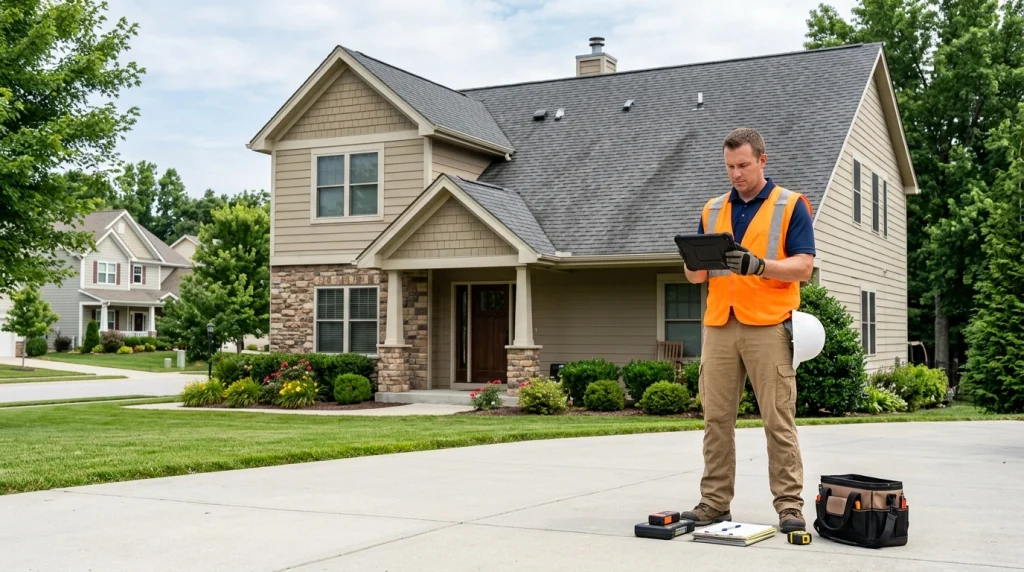
A roof replacement estimate usually includes much more than new shingles or panels.
A complete project may involve:
- Removing existing roofing
- Hauling away old material
- Inspecting the roof deck
- Replacing damaged decking
- Installing underlayment
- Installing ice-and-water protection where required
- Replacing flashing
- Installing shingles, metal, tile, or membrane roofing
- Updating vents
- Installing ridge caps and other accessories
- Permits
- Labor
- Cleanup
- Contractor overhead and warranty costs
That is why estimating based only on the retail price of roofing material can seriously underestimate your final bill.
The National Roofing Contractors Association notes that new-roof pricing varies according to factors such as material selection, home size, location, labor rates, and the contractor performing the work. It also recommends obtaining several proposals rather than relying on a single price.
Step 1: Estimate Your Roof’s Actual Square Footage
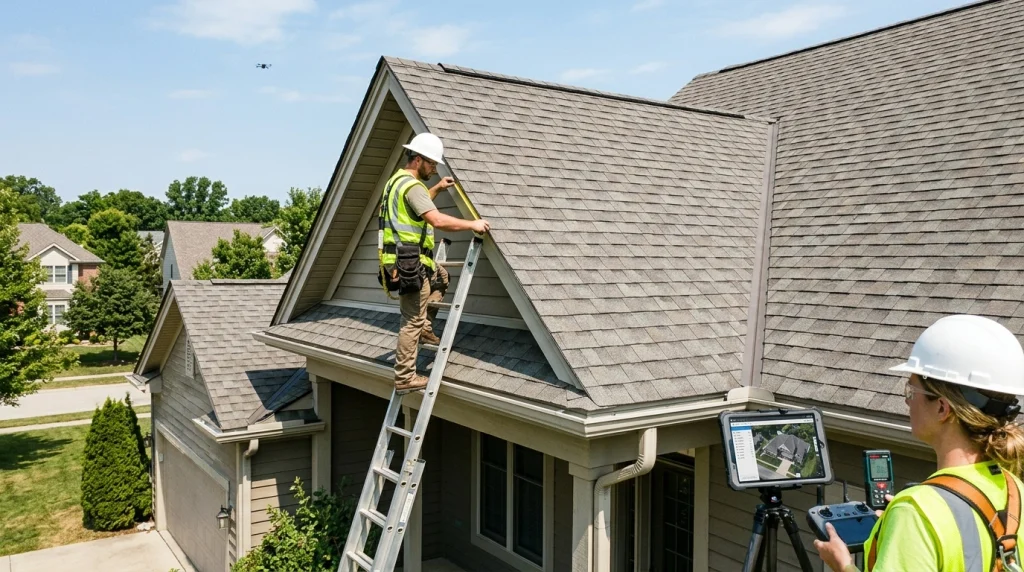
Start by determining approximately how much roof surface needs to be replaced.
Do not automatically use the interior square footage of your house.
A 2,000-square-foot home does not necessarily have a 2,000-square-foot roof. Overhangs, attached garages, porches, additions, roof slope, and architectural features can all increase roof surface area.
For a very simple roof, you may be able to estimate area by measuring the home’s footprint and adjusting for pitch. Satellite measurements, building plans, previous roofing paperwork, and contractor measurement reports can provide better numbers.
If you’re unsure how much size influences the final price, RoofersGazette’s guide to how roof size affects replacement cost explains why roofs with similar-looking homes can still produce very different estimates.
What Is a Roofing Square?
Roofers commonly measure roofing in squares.
One roofing square equals:
100 square feet of roof surface
For example:
- 1,500 sq. ft. = 15 squares
- 2,000 sq. ft. = 20 squares
- 2,500 sq. ft. = 25 squares
- 3,000 sq. ft. = 30 squares
If your estimated roof area is 2,400 square feet:
2,400 ÷ 100 = 24 roofing squares
Contractors may order somewhat more material than the exact measured area because trimming, valleys, hips, ridges, starter courses, and waste require extra material.
Step 2: Account for Roof Pitch and Complexity
Roof pitch means how steep your roof is.
A simple, low-slope roof is generally easier and faster to work on than a steep roof with multiple intersecting sections.
Features that can increase labor and material costs include:
- Steep slopes
- Multiple valleys
- Hips
- Dormers
- Skylights
- Chimneys
- Multiple roof levels
- Difficult access
- Numerous plumbing or exhaust penetrations
Two 25-square roofs can therefore have noticeably different replacement prices.
A simple one-story ranch with a basic gable roof may require substantially less labor than a two-story home with steep slopes, several dormers, four valleys, and multiple roof penetrations.
Step 3: Choose Your Roofing Material
Material selection is one of the biggest variables in your estimate.
Asphalt shingles are common because they generally have a lower initial cost and are available in many styles. Metal, tile, slate, wood shake, and low-slope membrane systems have different material, installation, maintenance, structural, and lifespan considerations.
RoofersGazette’s detailed roof replacement cost-per-square-foot guide provides broader planning ranges for different roofing systems.
| Roofing Material | General Cost Level | Typical Lifespan Range* | Important Cost Considerations |
|---|---|---|---|
| Asphalt shingles | Lower | 15–30 years | Shingle grade, tear-off, underlayment and flashing |
| Metal | Moderate to high | 30–80+ years | Panel type, flashing complexity and specialized labor |
| Tile | High | 30–100+ years | Weight, structural suitability and skilled installation |
| Slate | Very high | 50–100+ years | Material weight, specialized labor and structural requirements |
| Flat/low-slope membrane | Lower to moderate | Varies | Membrane type, insulation, drainage and penetrations |
*These are broad planning ranges. Actual roof life depends on product quality, climate, installation, ventilation, maintenance, exposure, and other conditions.
Do not choose a material based only on lifespan or purchase price. Your home’s structure, roof slope, local climate, insurance requirements, maintenance expectations, and budget should all be considered.
Step 4: Create a Base Installed-Cost Estimate
Once you know your approximate roof area and material, you can create a rough base estimate.
Suppose your roof has approximately 2,000 square feet of surface area.
If you use a hypothetical installed planning rate of $5 per square foot:
2,000 × $5 = $10,000
That gives you a starting point—not a guaranteed project price.
Alternatively, if a contractor prices the project at $500 per roofing square:
20 squares × $500 = $10,000
Installed prices vary significantly by material and location. RoofersGazette’s broader overview of average roof replacement costs explains why national figures are better treated as budgeting references than as quotes.
Step 5: Add Tear-Off and Disposal Costs
Replacing a roof often starts with removing the existing roofing system.
Tear-off costs can vary depending on:
- Number of existing roofing layers
- Type and weight of roofing
- Roof size
- Roof pitch
- Dumpster requirements
- Local disposal fees
- Property access
- Labor rates
Removing one layer of asphalt shingles may be straightforward. Removing multiple roofing layers, heavy tile, slate, or other specialized materials may require considerably more work.
Ask contractors whether tear-off, dumpster rental, hauling, and disposal fees are already included in the proposal.
Otherwise, what appears to be a low estimate can increase later.
Step 6: Budget for Damaged Roof Decking
The roof deck, also called sheathing or decking, is the wood surface beneath your roofing materials.
Plywood or oriented strand board (OSB) is commonly used.
Unfortunately, contractors cannot always determine the full condition of the decking until the old roofing has been removed.
Leaks, trapped moisture, rot, and previous installation problems can leave sections requiring replacement.
This is one of the most important uncertainties to include in your budget.
Ask each contractor:
- What type of decking is included?
- How much decking replacement is included in the base quote?
- What is the price per sheet for additional decking?
- Will you receive photographs of damaged areas?
- Who approves additional repairs?
A very precise estimate before tear-off may still change if hidden structural or moisture damage is discovered.
Step 7: Include Flashing, Underlayment, and Ventilation
Small components can have a large effect on roof performance.
Underlayment
Underlayment is installed between the roof deck and the finished roofing material. It provides an additional protective layer against water intrusion.
Ask which product the contractor plans to use rather than assuming all underlayments are equivalent.
Flashing
Flashing is typically installed around places where water could enter, including:
- Chimneys
- Skylights
- Walls
- Valleys
- Plumbing vents
- Roof transitions
Reusing deteriorated flashing simply to lower the project price can create problems later.
Ventilation
Attic ventilation can affect moisture management, heat buildup, roof-system performance, and sometimes warranty requirements.
If an aging roof has poor ventilation, replacement may be an appropriate time to correct it.
These items are among the many variables that can influence roofing prices beyond basic roof size and material.
Step 8: Add Permits, Code Requirements, and Local Costs
Roofing costs differ by location.
Your project may be affected by:
- Local labor rates
- Permit fees
- Building-code requirements
- Disposal charges
- Material availability
- Seasonal demand
- Local taxes
- Required ventilation changes
- Ice-and-water protection requirements
- Wind- or fire-rating requirements
This is why an online national average cannot tell you exactly what your roof should cost.
A reasonable estimate for one state—or even one city—may be unrealistic somewhere else.
Step 9: Build a Contingency Into Your Budget
A roof replacement budget should leave some room for surprises.
Possible unexpected expenses include:
- Rotten decking
- Damaged fascia
- Deteriorated flashing
- Water damage
- Additional tear-off layers
- Ventilation upgrades
- Structural problems
- Code-required work
- Unusual chimney or skylight repairs
For example, if your expected project cost is $12,000, planning your finances around exactly $12,000 leaves no room for hidden conditions.
A contingency does not mean the contractor will necessarily use it. It simply keeps an unexpected discovery from immediately creating a financial emergency.
Expert Tip: When comparing roof quotes, ask every contractor to list unit prices for common hidden repairs—such as replacement decking—before work starts. That makes potential change orders easier to understand and compare.
A Simple Roof Replacement Cost Example
Suppose a homeowner estimates:
- Roof surface: 2,200 sq. ft.
- Roof size: 22 squares
- Asphalt shingles
- Moderate roof pitch
- One existing roofing layer
- Several vents and one chimney
The homeowner should not simply price 2,200 square feet of shingles.
A realistic planning worksheet might look like this:
| Cost Category | What to Estimate |
|---|---|
| Main roofing system | Material plus installation |
| Tear-off | Removal of existing roofing |
| Disposal | Dumpster and hauling |
| Underlayment | Full roof coverage |
| Flashing | Chimney, walls, valleys and penetrations |
| Ventilation | Ridge, soffit or other required vents |
| Decking allowance | Potential damaged wood |
| Permits | Local requirements |
| Contingency | Unexpected conditions |
This method produces a much more useful budget than focusing only on the advertised price of shingles.
Labor Can Be a Major Part of the Estimate
Roof installation is skilled, hazardous work.
Labor includes much more than fastening shingles. Crews may have to protect landscaping, stage materials, remove the existing roof, inspect the deck, install waterproofing components, replace flashing, install the finished roofing system, clean the property, and remove debris.
For a deeper explanation of installation charges, RoofersGazette’s guide to roof replacement labor costs covers the major factors that influence the labor portion of a roofing project.
Extremely low labor pricing deserves closer inspection.
It may reflect a legitimate competitive quote, but homeowners should verify exactly what is included, which materials will be used, who performs the installation, and what workmanship warranty applies.
Compare Complete Contractor Proposals
Your DIY estimate is most valuable as a benchmark for evaluating professional quotes.
The NRCA recommends obtaining three or four proposals from reputable contractors and emphasizes that price should be balanced against workmanship and material quality.
Compare each proposal line by line.
Look for:
- Roofing manufacturer and product
- Product line or shingle grade
- Total estimated roof area
- Tear-off details
- Number of existing layers being removed
- Underlayment
- Ice-and-water protection
- Flashing replacement
- Ventilation work
- Decking replacement terms
- Disposal
- Permit responsibility
- Cleanup
- Material warranty
- Workmanship warranty
- Payment schedule
- Estimated project scope
A quote that costs $1,000 less may not actually be cheaper if it excludes flashing, disposal, ventilation improvements, or other necessary work.
Do Not Risk a Fall Just to Measure Your Roof
You do not need to walk across your roof to create a preliminary estimate.
Roof work exposes people to serious fall hazards. OSHA provides extensive fall-prevention and ladder-safety guidance because roofing work can involve dangerous edges, slopes, skylights, openings, and elevated working surfaces.
Homeowners can often use:
- Building plans
- Previous roof measurements
- Ground measurements
- Satellite measurement services
- Professional roofing measurements
Avoid climbing onto a steep, wet, icy, damaged, or unstable roof just to obtain dimensions.
If a roof has storm damage, sagging areas, rotten decking, loose materials, or structural concerns, keep off it and arrange a professional inspection.
Roof Age and Condition Matter Too
Cost is not the only question when deciding what to do with an aging roof.
A localized flashing failure on an otherwise healthy roof may call for a repair rather than complete replacement.
Repeated leaks, widespread shingle deterioration, storm damage, failing materials, rotten decking, or a roof approaching the end of its practical service life may justify a broader replacement discussion.
Common warning signs include:
- Recurring roof leaks
- Missing or badly damaged shingles
- Large areas of granule loss
- Cracked or curled shingles
- Widespread storm damage
- Sagging roof areas
- Rot or moisture damage
- Persistent attic moisture problems
- Significant flashing deterioration
- Multiple previous repairs
Do not rely on roof age alone. Installation quality, material type, climate, storm exposure, ventilation, and maintenance all affect actual service life.
What About Insurance After Storm Damage?
If hail, wind, falling trees, or another covered event may have damaged your roof, document the condition before repairs whenever it is safe to do so.
Avoid signing major repair agreements solely because someone appears at your door immediately after a storm.
A professional inspection may help identify damage that is difficult to see from the ground. The NRCA has cautioned property owners after major storms to evaluate contractors carefully and not make price the only criterion when selecting a roofer.
Insurance coverage depends on your individual policy, cause of loss, roof condition, deductible, exclusions, depreciation rules, and insurer’s findings.
Do not assume your insurance company will automatically pay the full replacement cost.
When to Consult a Licensed Roofing Contractor
A homeowner can develop a useful preliminary budget without becoming a roofing expert.
However, consult an appropriately licensed or qualified roofing contractor when:
- Your roof is actively leaking
- You suspect structural damage
- The roof is sagging
- Storm damage is widespread
- Decking may be rotten
- You are considering heavy tile or slate
- Multiple roofing layers may need removal
- Flashing problems are extensive
- Your roof is steep or difficult to access
- An insurance claim is involved
- Building-code upgrades may be required
- You need an accurate written replacement price
Contractor licensing requirements differ by state and locality, so verify the rules that apply where you live.
For structural movement, major sagging, damaged rafters or trusses, or concerns about whether a structure can support a heavier roof material, a structural assessment may also be appropriate.
Common Mistakes Homeowners Should Avoid
- Using house floor area as exact roof area. Roof pitch and overhangs can make the actual roof substantially larger.
- Pricing only the shingles. A complete roof system includes labor, underlayment, flashing, ventilation, fasteners, tear-off, and other components.
- Ignoring hidden decking repairs. Damage may not be visible until the existing roofing is removed.
- Assuming every quote includes the same work. Compare scope and materials line by line.
- Choosing automatically by lowest price. A low estimate may exclude important items.
- Forgetting permits and disposal. Confirm whether both are included.
- Ignoring warranty details. Material and workmanship warranties are not the same.
- Climbing onto the roof unnecessarily. Professional measurements are safer and usually more accurate.
- Using national averages as guaranteed local prices. Local labor, codes, roof design, and material availability can change the actual cost considerably.
FAQs
How can I estimate roof replacement cost myself?
Estimate the actual roof surface area, divide it by 100 to determine roofing squares, choose an approximate installed cost for your roofing material, and add likely expenses for tear-off, disposal, decking, flashing, ventilation, permits, and a contingency.
How much extra roofing material should I account for?
Roofing projects usually require more material than the exact measured roof area because of cuts, valleys, hips, ridges, starter material, and waste. The appropriate allowance depends on roof design and material, so let your contractor or supplier calculate the final order quantity.
Is roof square footage the same as house square footage?
Usually not. House square footage measures interior floor space, while roof square footage measures the roof surface. Pitch, overhangs, garages, porches, and other features can make roof area significantly different.
What does one roofing square mean?
One roofing square equals 100 square feet of roof surface. A 2,500-square-foot roof contains approximately 25 roofing squares before accounting for waste and project-specific material requirements.
Why can two roofing estimates be thousands of dollars apart?
Contractors may use different materials, labor assumptions, warranties, underlayments, flashing methods, ventilation plans, cleanup services, and allowances for repairs. Compare the complete scope rather than the final price alone.
Can roof replacement cost increase after work starts?
Yes. Hidden decking damage, extra roofing layers, structural problems, code requirements, or deteriorated flashing may not become visible until the old roof is removed. Ask how change orders will be priced and approved before signing the contract.
Should I inspect the roof myself before requesting estimates?
You can inspect visible conditions from the ground and attic when safe, but avoid walking on the roof solely to prepare an estimate. Roof falls can cause severe injuries. A professional contractor can inspect and measure areas that are unsafe for homeowners to access.
Conclusion
Learning how to estimate roof replacement cost starts with understanding that a roof is a complete system—not simply a layer of shingles.
Estimate your actual roof area, convert it into roofing squares, identify your material, consider pitch and complexity, and account for labor, tear-off, decking, flashing, ventilation, permits, disposal, warranties, and possible hidden repairs.
Your calculation should be treated as a budgeting tool rather than a final quote.
Once you have a reasonable planning range, request several detailed proposals from qualified local roofing contractors. Compare the scope, products, warranty terms, and potential change-order costs—not simply the bottom-line number.
That approach gives you a much stronger basis for budgeting wisely and choosing a roof replacement that protects your home for years to come.