
Do Insurance Companies Cover Metal Roofs? A Homeowner’s Guide

If you are planning to install a metal roof or already have one, one of the first questions you may ask is simple: do insurance companies cover metal roofs? The answer matters because a roof is one of the most expensive parts of your home. A mistake with insurance coverage can leave you paying thousands of dollars out of pocket after hail, wind, fire, or storm damage.
In most cases, homeowners insurance can cover metal roofs, but the details depend on your policy, roof age, roof condition, installation quality, location, and the cause of damage. Some insurers may even offer discounts for qualifying impact-resistant roofing materials. Others may limit coverage for older roofs or cosmetic dents.
This guide explains how insurance companies usually look at metal roofs, what damage may be covered, what may be excluded, how to avoid claim problems, and when to call a roofing professional before making a roofing or insurance decision.
Quick Answer
Yes, insurance companies usually cover metal roofs under homeowners insurance when damage is caused by a covered event, such as wind, hail, fire, or falling objects. However, coverage depends on your policy, roof age, installation quality, exclusions, deductibles, and whether the damage is functional or only cosmetic.
How Insurance Companies View Metal Roofs
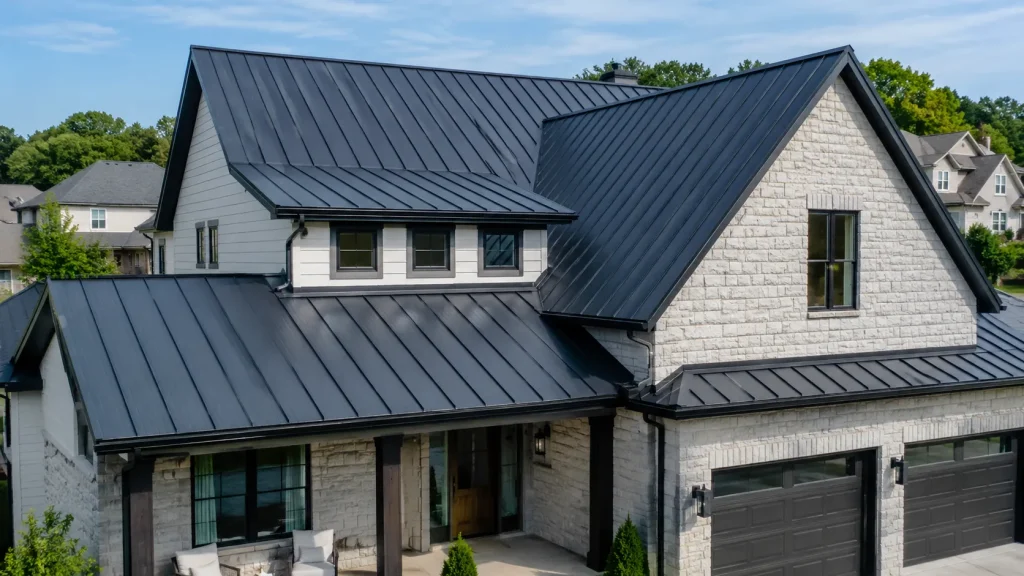
Insurance companies do not usually reject a home simply because it has a metal roof. In fact, many insurers see metal roofing as a durable material because it can resist fire, shed rain and snow well, and last longer than many asphalt shingle roofs when installed correctly.
However, insurers care about risk. They want to know whether the roof is likely to fail, leak, or lead to a large claim. That means they may look at:
- The age of the metal roof
- The type of metal roofing system
- The condition of seams, fasteners, flashing, and underlayment
- Whether the roof was installed by a qualified contractor
- Local risks such as hail, hurricanes, wildfire, or heavy snow
- Whether the policy covers replacement cost or actual cash value
According to the Insurance Information Institute’s guidance on how your roof influences home insurance, roof age and condition can affect both insurance eligibility and how claims are paid. This is especially important for homeowners with older roofs.
Key point: A metal roof can be insurable, but insurance coverage is never based on material alone. The full roof system and policy language matter.
What Metal Roof Damage Is Usually Covered?
Homeowners insurance usually covers sudden and accidental damage if the cause is listed or not excluded in your policy. For metal roofs, this may include storm damage, fire damage, or damage from falling objects.
Wind Damage
Strong wind can lift metal panels, loosen fasteners, bend flashing, or damage ridge caps. In hurricane-prone or high-wind areas, insurance companies may look closely at whether the roof was installed to local building code.
Wind damage may be covered if the storm caused direct damage to the roof. However, if the roof failed because of poor installation, missing maintenance, or old fasteners, the insurer may question the claim.
Hail Damage
Hail is one of the most common concerns with metal roofing. Metal roofs can handle many storms well, but hail can still cause dents.
The important question is whether the hail caused functional damage or cosmetic damage.
Functional damage may include:
- Punctured metal panels
- Open seams
- Damaged flashing
- Broken sealant
- Leaks into the attic or ceiling
- Damage that reduces the roof’s ability to shed water
Cosmetic damage may include:
- Small dents
- Surface dimples
- Minor appearance changes
- Paint scuffs that do not affect performance
Some insurance policies have a cosmetic damage exclusion for metal roofs. This means the policy may not pay for dents if the roof still works properly. Always ask your insurance agent about this before choosing a metal roof in a hail-prone area.
Fire Damage
Metal roofing is often valued for fire resistance, especially in wildfire-prone areas. A metal roof does not make a home fireproof, but it can reduce one major risk compared with more combustible roofing materials.
If a covered fire damages the roof, insurance may pay for repair or replacement according to the policy terms.
Falling Objects
A falling tree limb can dent panels, damage seams, break trim, or puncture the roof. This type of sudden damage is commonly covered if falling objects are included in the policy.
Before removing large limbs or climbing on the roof, document the damage and make sure the area is safe.
What Metal Roof Damage Is Usually Not Covered?
Insurance does not pay for every roof problem. Homeowners often become frustrated because they assume “roof damage” automatically means “covered claim.” That is not always true.
Insurance companies usually do not cover:
- Normal aging
- Rust from neglect
- Poor installation
- Lack of maintenance
- Improper repairs
- Manufacturer defects
- Pre-existing damage
- Cosmetic dents if excluded
- Damage below the deductible
- Leaks caused by long-term wear
For example, if screws on an exposed-fastener metal roof slowly back out over many years and cause leaks, an insurer may treat that as maintenance-related rather than storm-related. If flashing around a chimney was installed poorly and water enters during normal rain, that may not be covered either.
Important warning: Insurance is designed for sudden losses, not routine roof maintenance.
Replacement Cost vs Actual Cash Value for Metal Roofs
One of the most important insurance details is how your roof claim is paid.
Replacement Cost Value
Replacement cost value, often called RCV, means the insurer may pay the cost to replace damaged roofing with similar materials, minus your deductible and subject to policy terms.
This is usually better for homeowners because metal roof replacement can be expensive.
Actual Cash Value
Actual cash value, or ACV, means depreciation is subtracted from the claim payment. In simple terms, the older the roof is, the less the insurance payout may be.
For example, if your 25-year-old metal roof is damaged, an ACV policy may pay far less than the full replacement cost. This can surprise homeowners who expect a full roof replacement after a storm.
Before choosing or renewing a policy, ask your agent:
- Is my metal roof covered at replacement cost or actual cash value?
- Does the policy have a cosmetic damage exclusion?
- Is there a separate wind or hail deductible?
- Are there roof age restrictions?
- Is matching coverage included if only part of the roof is damaged?
Can a Metal Roof Lower Insurance Premiums?
A metal roof may help lower insurance premiums in some cases, but discounts are not guaranteed. Discounts depend on the insurance company, state rules, roof product, impact rating, installation method, and local weather risks.
Some states and insurers offer credits for qualifying impact-resistant roofing. For example, the Texas Department of Insurance explains that impact-resistant roofing materials may qualify for insurance discounts when products meet recognized testing standards. Class 4 impact-resistant materials often receive the highest credit where discounts apply.
However, not every metal roof automatically qualifies. The insurer may ask for:
- Product name and manufacturer
- Impact rating documentation
- Contractor invoice
- Permit records
- Photos of completed installation
- Wind or impact certification
- Proof that the roof was installed according to manufacturer instructions
Best decision: Ask your insurance company about discounts before signing a roofing contract. That gives you time to choose a qualifying product if a discount is available.
Metal Roof Insurance Coverage Factors
| Factor | Why It Matters | Homeowner Action |
|---|---|---|
| Roof age | Older roofs may face inspections, ACV coverage, or limited eligibility | Keep installation records and maintenance history |
| Roof condition | Rust, loose fasteners, or open seams increase claim risk | Schedule inspections and repair small issues early |
| Installation quality | Poor installation can lead to denied claims | Hire a licensed, insured metal roofing contractor |
| Hail rating | Some impact-rated products may qualify for discounts | Ask for product documentation before installation |
| Cosmetic exclusions | Dents may not be covered if the roof still functions | Review policy wording carefully |
| Local weather risk | Hail, wind, wildfire, and hurricanes affect underwriting | Ask about local roof requirements and deductibles |
| Documentation | Proof helps during claims and renewals | Save photos, invoices, permits, and inspection reports |
Types of Metal Roofs and Insurance Considerations
Not all metal roofs are the same. Insurance companies may not price every system differently, but the type of roof can affect durability, maintenance, and claim risk.
Standing Seam Metal Roofs
Standing seam roofs have raised seams and hidden fasteners. This design helps reduce exposed screw issues and can perform well when installed correctly.
They are often more expensive, but they are also considered a high-quality metal roofing system.
Exposed-Fastener Metal Roofs
Exposed-fastener roofs use visible screws with rubber washers. They are common on barns, cabins, and some homes.
They can be durable, but they need more maintenance. Over time, screws can loosen, washers can wear out, and leaks can develop if the roof is not inspected.
Metal Shingles or Metal Tiles
These products can look like shingles, shakes, or tile while offering metal durability. Insurance treatment depends on the product rating, installation, and policy terms.
For any metal roof type, ask the contractor for written product specifications and warranty information.
Common Warning Signs That Could Affect Insurance
A metal roof that looks fine from the ground may still have issues. Insurance companies and adjusters may look for signs that damage is old, maintenance-related, or caused by installation defects.
Watch for:
- Rust or corrosion
- Loose or missing screws
- Dented panels after hail
- Open seams
- Bent flashing
- Missing ridge cap pieces
- Water stains on ceilings
- Mold or damp insulation in the attic
- Peeling paint or coating failure
- Sagging roof areas
- Gutter damage after storms
Do not ignore small leaks. A small metal roof leak can damage decking, insulation, drywall, and electrical systems if left untreated.
What to Do After Storm Damage to a Metal Roof
After a storm, the way you respond can affect your claim. Move carefully and document everything.
- Stay off the roof. Metal roofs can be slippery, especially after rain, hail, frost, or debris.
- Take photos from the ground. Capture roof panels, gutters, downspouts, siding, and any fallen limbs.
- Check the attic safely. Look for water stains, wet insulation, or daylight through the roof deck.
- Prevent further damage. If water is entering the home, use buckets or temporary interior protection.
- Call your insurance company. Ask about claim steps, deadlines, deductibles, and required documentation.
- Schedule a roofing inspection. Use a contractor experienced with metal roofing.
- Keep all records. Save photos, invoices, emails, inspection reports, and repair receipts.
FEMA’s guidance on documenting damage after severe weather reinforces the importance of taking photos and keeping clear records after a disaster. Good documentation helps show what happened and when it happened.
Expert Tip
Expert Tip:
Before replacing a roof with metal, send your insurance agent the product specification sheet and ask in writing whether it qualifies for any discount, whether cosmetic hail damage is covered, and whether the roof will be insured at replacement cost or actual cash value.
Safety Warning: Do Not Inspect a Metal Roof Like a Sidewalk

Metal roofs can be dangerous to walk on. Some are steep, slick, or easily damaged by improper foot placement. Walking on the wrong part of the panel can also dent the roof or void parts of a warranty.
Roofing work involves serious fall hazards. OSHA’s residential fall protection guidance explains why fall protection is critical in residential construction. Homeowners should not climb onto a metal roof to prove damage for an insurance claim.
Use binoculars, ground-level photos, attic checks, and a qualified roofing contractor instead.
When to Call a Roofing Professional
Call a roofing professional if you see visible storm damage, leaks, loose panels, damaged flashing, or signs of roof movement. You should also call a professional before filing a claim if you are unsure whether the damage is real, recent, or severe enough to exceed your deductible.
A qualified metal roofing contractor can help identify:
- Whether dents are cosmetic or functional
- Whether seams or fasteners are damaged
- Whether flashing is allowing water entry
- Whether the roof was installed correctly
- Whether repair is practical or replacement is needed
- Whether documentation is strong enough for a claim
Choose a contractor who has experience with your specific type of metal roof. A contractor who mainly installs asphalt shingles may not understand standing seam clips, panel movement, sealant details, or exposed-fastener maintenance.
Avoid storm-chasing contractors who pressure you to sign immediately after a hailstorm. A reputable roofer will inspect, explain, document, and give you time to review your options.
Repair vs Replacement for an Insurance Claim
Not every damaged metal roof needs full replacement. Sometimes a repair is enough. Other times, replacement is the smarter choice.
Repair may make sense when:
- Damage is limited to a small area
- A few panels are dented or punctured
- Flashing can be repaired
- Fasteners need replacement
- The roof is otherwise in good condition
Replacement may make sense when:
- Damage affects large roof sections
- Multiple seams are compromised
- The roof is near the end of its useful life
- Matching panels are unavailable
- Repairs would not restore proper performance
- The insurance estimate supports replacement
Ask the roofer and adjuster to explain the reason clearly. Do not focus only on the payout. Focus on whether the roof will protect the home after the work is complete.
How to Improve Your Chances of a Smooth Metal Roof Claim
Insurance claims are easier when you have proof. Start building your roof file before damage happens.
Keep copies of:
- Roofing contract
- Paid invoice
- Product data sheet
- Manufacturer warranty
- Workmanship warranty
- Permit records
- Before-and-after photos
- Inspection reports
- Maintenance records
- Insurance policy declarations page
After major storms, take new photos from the same ground-level angles. This makes it easier to compare the roof before and after damage.
Also, review your policy each year. Roofing coverage can change at renewal, especially in areas with frequent hail, wind, wildfire, or hurricane claims.
Common Mistakes Homeowners Should Avoid
- Assuming all metal roof dents are covered. Cosmetic damage may be excluded.
- Waiting too long to report storm damage. Policies often have claim deadlines.
- Climbing on the roof after a storm. Metal roofs can be slippery and dangerous.
- Throwing away documents. Product ratings, invoices, and permits can support discounts and claims.
- Hiring a contractor without metal roof experience. Metal roofing requires specific skills.
- Ignoring small leaks. A small leak can become a major interior damage problem.
- Choosing the cheapest roof without checking insurance impact. A low-cost product may not qualify for discounts.
- Not asking about ACV vs RCV. This can change your claim payout dramatically.
- Signing with a storm chaser too quickly. Pressure tactics can lead to poor repairs and claim confusion.
FAQs
Do insurance companies cover metal roofs after hail damage?
Yes, they may cover hail damage if hail is a covered peril and the damage affects the roof’s function. However, some policies exclude cosmetic dents on metal roofs if the roof still sheds water properly.
Can an insurance company deny coverage because I have a metal roof?
Usually, no. A metal roof by itself is not normally a reason for denial. But an insurer may deny or limit coverage if the roof is old, poorly installed, damaged, rusted, or not maintained.
Does a metal roof reduce homeowners insurance?
Sometimes. Some insurers offer discounts for qualifying impact-resistant or fire-resistant roofing. Discounts vary by state, insurer, product rating, and documentation. Always ask your insurance company before installation.
What is cosmetic damage on a metal roof?
Cosmetic damage usually means dents, dimples, or appearance changes that do not cause leaks or reduce roof performance. Some policies do not pay for cosmetic-only damage.
Will insurance pay to replace my whole metal roof?
It depends on the damage, policy terms, deductible, roof age, and whether matching materials are available. If only a small area is damaged, the insurer may approve repair instead of full replacement.
Should I file a claim for small dents on a metal roof?
Not always. If the dents are cosmetic and repair costs are below your deductible, a claim may not help. Get a professional inspection and review your policy before filing.
What documents should I keep for metal roof insurance?
Keep the roofing invoice, product specifications, impact rating, warranty, permit records, inspection reports, photos, and maintenance records. These documents can help with discounts, renewals, and claims.
Conclusion
So, do insurance companies cover metal roofs? In most cases, yes, but coverage depends on your policy and the cause of damage. A metal roof can be a strong, durable, and insurance-friendly choice, especially when it is properly installed, well maintained, and supported by good documentation.
The biggest details to check are replacement cost vs actual cash value, cosmetic damage exclusions, wind or hail deductibles, roof age rules, and product discount requirements. Before installing a new metal roof or filing a claim, talk with your insurance agent and schedule a professional roofing inspection.
A smart roofing decision is not just about choosing a strong material. It is about choosing the right roof system, the right contractor, and the right insurance protection for your home.