
How Much Does Roof Vent Replacement Cost? 2026 Homeowner Guide

A damaged or leaking roof vent may look like a small roofing problem, but ignoring it can lead to wet insulation, stained ceilings, mold concerns, damaged roof decking, and poor attic ventilation.
If you are wondering how much does roof vent replacement cost, a straightforward replacement is often a few hundred dollars. However, the final price depends heavily on the type of vent, the number of vents being replaced, roof height and pitch, surrounding roofing damage, flashing work, and local labor rates.
This guide explains typical roof vent replacement costs, what affects your estimate, when replacement makes sense, and when a larger roofing problem may require professional attention.
Quick Answer
Roof vent replacement typically costs about $150 to $750 per vent for a standard residential project. Simple box or static vents may fall near the lower end, while powered, solar, difficult-to-access, or damaged vent installations can cost considerably more. Roof repairs around the opening can increase the total price.
Average Roof Vent Replacement Cost
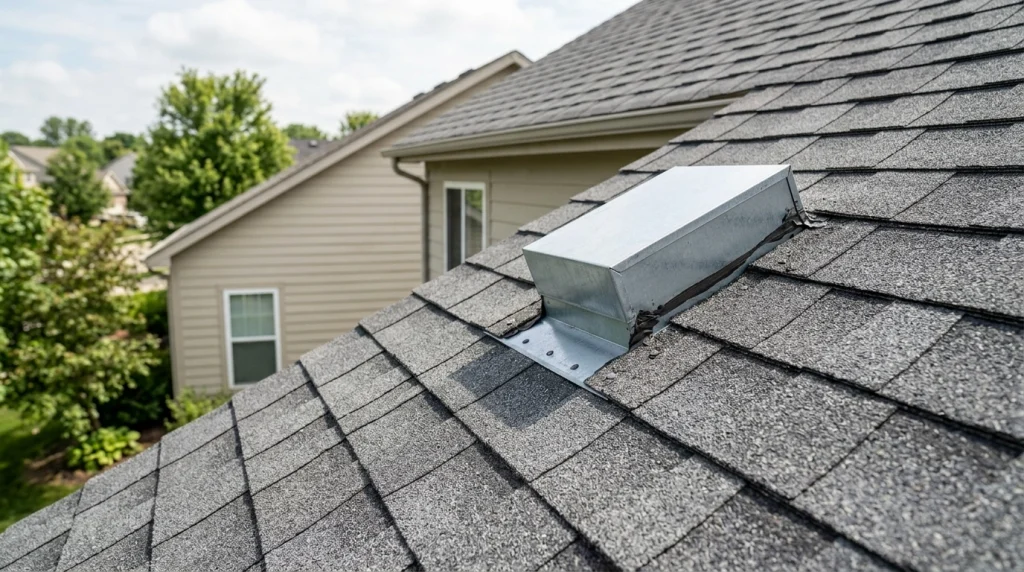
For many homeowners, replacing one basic roof vent is a relatively small roofing repair compared with replacing an entire roof.
A reasonable planning range is:
| Roof Vent Project | Typical Planning Range |
|---|---|
| Basic static or box vent | $150–$300 |
| Turbine vent | $200–$450 |
| Ridge vent replacement | Varies by ridge length |
| Powered attic vent | $400–$950+ |
| Solar-powered attic vent | $500–$1,100+ |
| Multiple vents | Depends on quantity and access |
| Vent plus damaged shingles/decking | Additional repair costs apply |
These numbers should be treated as budgeting estimates rather than guaranteed contractor prices. Current U.S. cost guides show that even a seemingly simple vent replacement can vary substantially by roof design, location, and project scope.
A contractor may also have a minimum service charge. That means replacing one inexpensive vent can sometimes cost almost as much in labor as replacing two nearby vents during the same visit.
What Is Included in Roof Vent Replacement?
A proper roof vent replacement involves more than removing one piece and installing another.
For a typical asphalt shingle roof, the contractor may need to:
- Inspect the damaged vent and surrounding roofing.
- Carefully lift or remove nearby shingles.
- Remove roofing nails and the existing vent.
- Inspect the roof decking around the opening.
- Install the replacement vent.
- Integrate the new vent flashing with the roofing system.
- Reinstall or replace surrounding shingles.
- Seal appropriate fasteners and vulnerable areas.
- Inspect the completed installation for possible water-entry points.
Flashing is especially important. Flashing is the material that directs water away from joints and roof penetrations. Poor flashing around a vent can allow water beneath the roofing even if the vent itself is new.
Why Roof Vent Replacement Costs Vary
Two homeowners replacing similar vents can receive very different estimates. Several factors explain the difference.
Type of Roof Vent
Vent style is one of the largest cost factors.
Basic static vents have no motors or moving components and are generally inexpensive. Turbine vents have rotating components. Powered and solar attic vents contain additional equipment and may require electrical or specialized installation work.
A ridge vent works differently because it runs along the roof ridge rather than occupying a small individual opening.
Before replacing one vent type with another, make sure the change will work with the home’s overall ventilation design.
Roof Height
Working on a single-story ranch is usually easier than accessing a steep roof on a two- or three-story home.
Greater height may require:
- Longer ladders
- Additional safety equipment
- More setup time
- Additional crew members
- Specialized roof-access equipment
Those requirements can raise labor costs.
Roof Pitch
Roof pitch describes how steep the roof is.
A low-slope roof can often be easier to access than a sharply pitched roof. Steep roofs require greater care, additional fall-protection measures, and sometimes specialized equipment.
Roof work involves serious fall hazards. OSHA publishes extensive roofing and fall-protection safety resources explaining the risks associated with working on roofs and elevated surfaces.
For most homeowners, replacing a vent on a steep roof is not a good DIY project.
Roofing Material
The material surrounding the vent also affects labor.
Replacing a vent through standard asphalt shingles can be relatively straightforward. Working around:
- Metal roofing
- Clay or concrete tile
- Slate
- Wood shake
- Certain flat-roof membranes
may require more specialized techniques.
Breaking a tile or improperly cutting a metal panel can turn a small vent project into a larger repair.
Condition of Surrounding Shingles
A vent replacement becomes more complicated when the surrounding shingles are brittle, curled, cracked, or near the end of their service life.
Old shingles may break when lifted.
If that happens, the contractor may need to replace a larger section around the vent instead of simply reinstalling the existing material.
Damaged Roof Decking
Roof decking is the structural sheathing underneath the roof covering.
If water has been entering around a failed vent for months or years, the decking may be soft, swollen, stained, or deteriorated.
Replacing damaged decking adds both materials and labor.
A quote for a simple vent replacement may therefore increase after the old vent is removed and hidden damage becomes visible.
Number of Vents
Replacing several vents during one visit may reduce the average cost per vent because the contractor only needs to mobilize the crew and safety equipment once.
If several vents are the same age and one has already failed, ask the contractor to inspect the others.
That does not necessarily mean they all require replacement, but inspecting them can help you avoid another service call shortly afterward.
Why Roof Ventilation Matters
Roof ventilation helps manage heat and moisture in a vented attic.
A typical system allows outside air to enter near the lower roof edge through intake vents and exit higher through ridge vents, box vents, or similar exhaust vents.
According to ENERGY STAR’s attic ventilation guidance, proper natural attic airflow can help remove excess summer heat and moisture while also helping reduce conditions that contribute to winter ice dams. ENERGY STAR also warns homeowners not to block soffit vents with insulation.
Ventilation is not simply a matter of installing as many vents as possible.
The intake and exhaust system needs to work together. Adding an exhaust vent without enough intake airflow may not solve the underlying problem.
Signs Your Roof Vent May Need Replacement

A roof vent does not have to be visibly broken into pieces before it becomes a problem.
Watch for:
- Water stains near the attic or ceiling below a vent
- Cracked plastic vent housings
- Rust or corrosion
- Bent or damaged flashing
- Missing vent caps
- Storm or hail damage
- Loose roofing around the vent
- Deteriorated seals
- Evidence of recurring moisture around the penetration
- A powered vent that no longer operates
After a strong wind or hail event, vent damage may occur along with shingle, flashing, gutter, or ridge damage.
If you notice an interior leak after a storm, avoid assuming that the visible vent is automatically the source. Water can travel along decking or rafters before appearing inside the house.
Repair vs. Replace a Roof Vent
Not every vent problem requires complete replacement.
A contractor may be able to repair the area when:
- A small flashing defect is accessible.
- A fastener has loosened.
- Minor sealing work is needed.
- The vent body remains structurally sound.
- Surrounding roofing is still in good condition.
Replacement usually makes more sense when:
- The vent housing is cracked.
- Metal components are badly corroded.
- Storm damage has distorted the vent.
- A turbine mechanism has failed.
- An older powered ventilator has stopped working.
- Flashing is extensively damaged.
- Repeated repairs have failed.
Be cautious about treating roof cement or caulk as a permanent solution to serious flashing failure.
Sealant can sometimes be appropriate as part of a roofing repair, but simply covering deteriorated materials with more caulk may hide rather than correct the underlying problem.
Does Roof Vent Replacement Require New Shingles?
Often, at least a few surrounding shingles need to be loosened or removed so the new vent can be properly integrated with the roof.
If those shingles remain flexible and undamaged, they may sometimes be reused.
Replacement becomes more likely when shingles are:
- Brittle
- Torn
- Cracked
- Curling
- Heavily weathered
- Damaged during removal
Matching old shingles can also be difficult because roofing colors change with age and sun exposure.
A small color difference usually affects appearance rather than performance, but homeowners should understand this possibility before work begins.
Can a Roof Vent Leak Even If It Looks Fine?
Yes.
The visible top of the vent may appear normal while water enters around its flashing, fasteners, boot, or surrounding roofing.
Leaks may also originate somewhere else entirely.
Possible sources near a roof vent include:
- Cracked flashing
- Failed pipe boots
- Nail holes
- Damaged shingles
- Deteriorated roof decking
- Wind-driven rain
- Condensation
- Nearby roof penetrations
This is why diagnosing the source is often more important than immediately replacing the vent.
Does Homeowners Insurance Pay for Roof Vent Replacement?
It depends on why the vent was damaged and the terms of your policy.
Insurance may potentially apply when a covered event such as wind or hail causes sudden damage. Normal wear, age-related deterioration, neglected maintenance, and gradual leaks are commonly treated differently.
Document visible damage and contact your insurer if a storm appears to be responsible.
Avoid authorizing unnecessary major work solely because someone says insurance will pay for it. Coverage decisions are made under the specific terms of your policy.
Roof Vent Replacement During a Full Roof Replacement
If your entire roof is already being replaced, it often makes sense to evaluate roof vents at the same time.
Contractors already have the old roofing removed, making it easier to inspect:
- Decking
- Vent openings
- Flashing
- Intake ventilation
- Ridge ventilation
- Other roof penetrations
Replacing worn roof vents during reroofing may also reduce the chance that an older vent becomes the weak point in an otherwise new roofing system.
Your contractor should determine whether existing vents can be reused or whether the ventilation design should be updated.
Expert Tip
Expert Tip: Ask for the vent replacement and any possible decking or shingle repairs to be itemized separately in the estimate. This makes it much easier to understand why the final price changes if hidden water damage is discovered after the old vent is removed.
Can You Replace a Roof Vent Yourself?
Some experienced homeowners may have the tools and knowledge needed for minor low-slope roofing work, but roof vent replacement usually involves both waterproofing and fall risk.
Incorrect installation can cause:
- Roof leaks
- Rotten decking
- Wet insulation
- Ceiling damage
- Mold or moisture problems
- Voided roofing warranties
- Improper attic ventilation
Roof access itself is also dangerous. OSHA’s ladder guidance notes specific requirements for safe ladder positioning and highlights the hazards associated with working at elevation.
If you are uncomfortable with roof access, flashing techniques, or diagnosing leaks, hiring a professional is the safer choice.
Common Mistakes Homeowners Should Avoid
Avoid these common roof vent replacement mistakes:
- Choosing a replacement only by price. Proper flashing and installation matter more than saving a small amount on the vent itself.
- Ignoring surrounding roofing damage. A new vent will not repair rotten decking or badly deteriorated shingles.
- Adding random vents to fix a hot attic. Ventilation should be designed as a complete intake-and-exhaust system.
- Covering every leak with caulk. Sealant is not a substitute for proper flashing.
- Walking on a steep or wet roof. Falls can cause severe injury.
- Ignoring storm damage elsewhere. If one vent was damaged by hail or wind, other roofing components may also require inspection.
- Failing to ask about warranties. Find out whether the contractor warranties both the vent and installation workmanship.
- Replacing vents without considering roof age. Spending heavily on isolated repairs may not make sense if the entire roof is near the end of its useful life.
When to Consult a Licensed Roofing Contractor
A professional roofing evaluation is especially appropriate when:
- The vent is actively leaking.
- The roof is steep or more than one story high.
- You suspect rotten decking.
- Several vents are damaged.
- The problem appeared after severe wind or hail.
- Your roof is approaching replacement age.
- The vent is surrounded by tile, slate, metal, or another specialized material.
- The leak source is uncertain.
- You may file an insurance claim.
- You are considering changing the attic ventilation design.
Get a written estimate explaining exactly what will be removed, replaced, repaired, and warranted.
For a larger project, comparing multiple qualified contractor estimates can help you understand whether one contractor has identified work that others have not.
Questions to Ask Before Hiring a Roofer
Before approving the repair, ask:
- What caused the vent to fail?
- Does the entire vent need replacement?
- Is the surrounding decking damaged?
- Will surrounding shingles need replacement?
- What type of vent will be installed?
- Is the replacement compatible with my existing ventilation system?
- Does the quote include flashing and sealing?
- What happens if hidden damage is discovered?
- Is cleanup included?
- What workmanship and manufacturer warranties apply?
Clear answers make it easier to compare estimates on equal terms.
FAQs
How much does it cost to replace one roof vent?
A standard individual roof vent replacement often costs roughly $150 to $750, although basic vents may cost less and powered, solar, difficult-access, or damaged installations may cost more.
Why is my roof vent replacement quote so expensive?
Roof height, steep pitch, difficult access, labor minimums, damaged shingles, flashing repairs, rotten decking, and specialty vent types can all increase the price. Ask for an itemized estimate before assuming the quote is excessive.
How long does roof vent replacement take?
A straightforward single-vent replacement may be completed relatively quickly by an experienced roofing crew. Multiple vents, steep roofs, specialty materials, electrical work, or hidden decking damage can extend the project.
Should I replace all roof vents at once?
Not necessarily. However, if several vents are the same age and showing similar deterioration, replacing multiple units during the same service visit may be practical. Have the contractor inspect each one before deciding.
Can a broken roof vent cause a ceiling leak?
Yes. Damaged vent flashing or roofing around the penetration can allow rainwater beneath the roof covering. Water may then travel along decking or framing before appearing as a ceiling stain.
Should roof vents be replaced when replacing a roof?
Older or damaged vents are often worth evaluating during a roof replacement because the roofing system is already being removed. Your roofer can inspect the vent openings, decking, flashing, and overall ventilation setup before installing the new roof.
Is replacing a roof vent worth it?
If a vent is damaged, leaking, badly corroded, or no longer functioning correctly, replacement can help protect the roof assembly from moisture. The important step is confirming that the vent is actually the source of the problem.
Conclusion
So, how much does roof vent replacement cost? For many U.S. homeowners, a standard individual vent replacement falls somewhere around $150 to $750, while powered vents, solar models, difficult roof access, multiple vents, and surrounding roofing damage can push the total higher.
The vent itself is only part of the job. Proper flashing, sound roof decking, healthy surrounding shingles, and balanced attic ventilation all matter.
If your vent is cracked, leaking, storm-damaged, or surrounded by deteriorated roofing, have a qualified roofing contractor inspect the area and provide a written estimate. Catching a small vent problem early is usually far easier than repairing widespread water damage later.