
What Are the Signs You Need a New Roof? 12 Warning Signs Homeowners Should Know

A roof rarely fails all at once. More often, it gives you warning signs first: a few curling shingles, a stain on the ceiling, granules in the gutters, recurring leaks, or a roofline that no longer looks straight.
So, what are the signs you need a new roof? The answer depends on the roof’s age, material, amount of damage, condition underneath the surface, and whether repairs are still solving the problem. One damaged shingle does not automatically mean replacement. Widespread deterioration, repeated leaks, structural concerns, and an aging roofing system deserve much more attention.
This guide explains the most important warning signs, when repair may still make sense, how material and lifespan affect the decision, and when it is safer to have a licensed roofing contractor inspect the roof.
Quick Answer
The main signs you need a new roof include widespread missing or damaged shingles, recurring leaks, heavy granule loss, sagging areas, deteriorated decking, storm damage, visible daylight in the attic, and a roof approaching the end of its expected lifespan. A professional inspection can confirm whether repair or replacement is appropriate.
1. Your Roof Is Approaching the End of Its Expected Lifespan
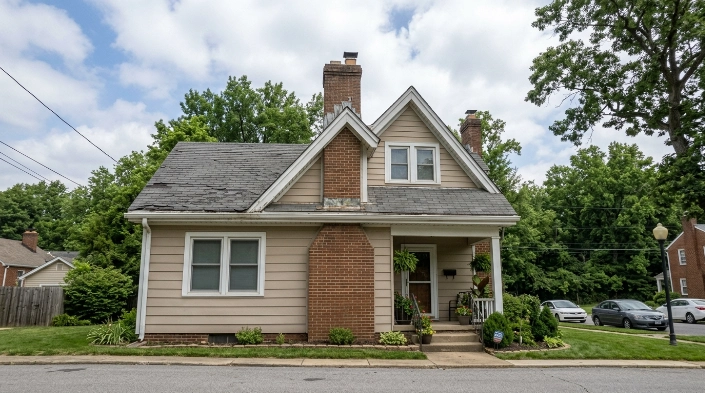
Roof age is one of the first factors to consider, although age alone does not prove that replacement is necessary.
Different roofing materials have very different service lives. Installation quality, climate, ventilation, maintenance, storm exposure, roof slope, and product quality can all shorten or extend those ranges.
| Roofing Material | General Planning Lifespan | Replacement Becomes More Likely When |
|---|---|---|
| Asphalt shingles | 15–30 years | Curling, cracking, granule loss, and leaks become widespread |
| Wood shakes/shingles | 20–40 years | Splitting, rot, moisture damage, or missing sections develop |
| EPDM/TPO and other flat roofing | 20–30 years | Seams fail, membrane deteriorates, or leaks keep returning |
| Metal roofing | 40–70+ years | Corrosion, seam failure, coating deterioration, or structural problems become extensive |
| Clay/concrete tile | 50+ years | Underlayment, flashing, or roof structure deteriorates extensively |
These are planning ranges, not expiration dates. A 20-year-old asphalt roof may still be serviceable, while a much younger roof can fail early because of installation problems or severe weather.
A better question is: Is the roof old and showing several other warning signs at the same time?
That combination deserves a professional inspection.
2. Shingles Are Curling, Cracked, Loose, or Missing
Asphalt shingles gradually become less flexible with age and weather exposure.
From the ground, you may notice:
- Shingle edges curling upward
- Corners lifting away from the roof
- Cracks across individual shingles
- Bare spots
- Missing shingles after wind
- Tabs that no longer lie flat
- Uneven or patchy-looking sections
A handful of damaged shingles surrounded by healthy roofing may only require repair.
Widespread deterioration across several roof slopes is different. Replacing individual shingles may become a temporary patch when much of the roof covering is aging at the same rate.
The National Roofing Contractors Association notes that regular inspections can reveal problems such as cracked, warped, or missing shingles and deteriorated flashing before more serious damage develops. NRCA consumer roofing resources
3. You Are Finding Large Amounts of Shingle Granules
The small mineral granules covering asphalt shingles help protect them from sunlight and weather.
Some granule loss is normal, especially on a newer roof when loose material from manufacturing washes away. Aging shingles, however, may shed increasingly large amounts.
Check gutters and downspouts for sand-like material.
Also look at the roof from the ground. Shingles that have lost significant granules may appear darker, smoother, or uneven in color.
Heavy granule loss does not automatically require immediate replacement, but when it occurs alongside advanced age, cracking, curling, or leaking, the roofing system may be approaching the end of its useful service life.
4. Roof Leaks Keep Coming Back
One leak does not necessarily mean you need a new roof.
Water can enter through a relatively small defect such as:
- Failed flashing
- A damaged pipe boot
- A poorly sealed roof vent
- Several missing shingles
- A puncture
- A damaged skylight connection
Those problems may be repairable when the rest of the roof is sound.
Recurring leaks are more concerning.
If one section is repaired and another leak appears soon afterward—or several unrelated areas leak at once—the entire roofing system deserves evaluation.
Repeated moisture can damage insulation, drywall, roof decking, and framing. Water may also travel along rafters or decking before appearing inside, so the ceiling stain you see is not necessarily directly below the entry point.
Do not assume repeated interior patching solves a roofing problem. The source of the moisture has to be found.
5. You See Water Stains on Ceilings or Walls
Brown, yellow, or gray stains on ceilings are among the easiest interior warning signs to recognize.
You may also notice:
- Bubbling paint
- Peeling drywall
- Damp attic insulation
- Musty odors
- Moisture around chimneys
- Staining near vents or skylights
These symptoms indicate water is reaching areas where it does not belong.
A small, recent stain may come from one repairable flashing problem. Multiple stains or stains that return after repairs may indicate more extensive roofing or underlayment deterioration.
Also rule out plumbing leaks and condensation before assuming the roof is responsible.
6. The Roof Deck or Roofline Is Sagging

A sagging roof should never be treated as a cosmetic problem.
Roof decking is the structural sheathing underneath the roof covering. On many homes, it consists of plywood or oriented strand board attached to the roof framing.
Sagging can occur because of moisture-damaged decking, overloaded structural components, deteriorated framing, installation problems, or other structural conditions.
From the ground, look along the roofline. It should generally appear straight rather than wavy, sunken, or bowed.
A small visual irregularity does not prove structural failure, but obvious sagging requires professional evaluation.
If you suspect structural movement, avoid climbing into unsafe attic areas or walking on the roof.
7. The Roof Decking Feels Soft or Shows Moisture Damage
If a professional roofer removes shingles and discovers deteriorated decking underneath, the replacement decision can change quickly.
Decking provides the solid surface supporting the roofing system.
Water-damaged decking may become:
- Soft
- Swollen
- Delaminated
- Mold-stained
- Rotted
- Unable to hold roofing fasteners properly
Replacing isolated damaged decking during a repair may be reasonable.
When deterioration covers large areas, however, considerable roofing material may need to be removed just to access and replace the damaged sheathing. At that point, a more complete replacement can become practical.
Homeowners should not test suspicious roof decking by walking across it. Weak decking can fail unexpectedly.
8. You Can See Daylight Through the Roof From the Attic
A dark attic provides an easy way to identify certain serious roofing problems without stepping onto the roof.
If safe attic access is available, look upward during daylight.
Visible light coming through cracks, holes, deteriorated decking, or open joints can indicate a defect in the roof assembly.
Do not confuse normal light entering through designed vents with unintended openings in roof boards or around damaged components.
If daylight appears where the roofing system should be sealed, have the area professionally inspected—especially if you also see moisture, staining, or damaged insulation.
9. Storm, Wind, or Hail Damage Is Widespread
Severe weather can shorten the life of a roof dramatically.
After a major storm, inspect from the ground for:
- Missing shingles
- Lifted roof edges
- Broken or displaced tiles
- Fallen branches
- Exposed underlayment
- Bent flashing
- Damaged gutters
- Dents or impact marks
- Loose metal panels
- Debris on the roof
Wind can exploit weak points in roofing materials, while hail affects different roof coverings in different ways. The Insurance Institute for Business & Home Safety explains that asphalt shingles may experience denting, tearing, or displaced granules during hail impacts. IBHS research on wind and hail roof damage
Storm damage is not automatically a reason to replace the entire roof. A few missing shingles may be repairable.
Replacement becomes more likely when damage is widespread, the roof was already aging, matching replacement materials are unavailable, or the decking and underlayment have also been compromised.
For a possible insurance claim, document visible damage safely from the ground and follow your insurer’s requirements before permanent work begins.
10. Your Attic Has Persistent Moisture or Ventilation Problems
Roof longevity depends on more than the material you see outside.
The attic also matters.
A properly designed attic system helps control moisture and temperature. Poor airflow can contribute to condensation, damp roof sheathing, mold growth, ice-dam conditions in cold climates, and excessive heat.
ENERGY STAR explains that natural attic ventilation, air sealing, and insulation work together to control moisture and heat. It also warns against blocking soffit vents with insulation because doing so restricts needed airflow. ENERGY STAR attic ventilation guidance
Possible warning signs include:
- Damp rafters
- Condensation on nails or roof decking
- Mold-like staining
- Wet insulation
- Excessive attic heat
- Ice dams
- Persistent musty odors
Poor ventilation does not automatically mean the roof covering must be replaced. However, installing new roofing without correcting an underlying ventilation or moisture problem can shorten the life of the replacement roof.
11. You Are Paying for Roof Repairs Again and Again
Repairing a fundamentally healthy roof makes financial sense.
Continuously patching a failing roof may not.
Keep records of roofing work. If repairs are becoming more frequent, consider what you are paying over time rather than looking at each repair separately.
For example, repeated repairs to flashing, shingles, valleys, penetrations, and leaking sections over several years may indicate that deterioration is no longer isolated.
Ask the contractor two questions:
- Does this repair correct the underlying cause?
- How much useful service life is the remaining roofing system realistically expected to have?
A reputable contractor should be able to explain why repair or replacement is being proposed rather than simply recommending the largest project.
12. Multiple Warning Signs Are Appearing at the Same Time
Individual symptoms need context.
A few loose shingles on a relatively young roof after a storm may be a repair issue.
A 25-year-old asphalt roof with curling shingles, granules in the gutters, attic staining, several previous repairs, and active leaks presents a very different situation.
The more warning signs you see together, the stronger the case for a complete professional assessment.
Expert Tip
Expert Tip: Before approving a roof replacement, ask the contractor to show you photos of the specific damage and explain which components are failing—roof covering, flashing, underlayment, decking, ventilation, or structure. This makes it easier to compare estimates and identify quotes that recommend replacement without clearly explaining why.
Repair vs. Replacement: How to Decide
The decision usually comes down to age, extent of damage, remaining service life, and repair cost.
Repair often makes sense when:
- Damage is limited to a small area.
- The roof is relatively young.
- Decking remains sound.
- Only one flashing or penetration has failed.
- Compatible replacement material is available.
- Previous repairs have been successful.
Replacement becomes more reasonable when:
- Damage covers large portions of the roof.
- Leaks occur in several locations.
- The roof is near the end of its expected lifespan.
- Decking deterioration is extensive.
- The original installation has widespread defects.
- Storm damage affects multiple roof sections.
- Repairs are becoming frequent and expensive.
Do not base the decision only on the roof’s age or a single contractor’s sales recommendation. Consider the complete roofing system.
How Roof Replacement Cost Affects the Decision
A new roof is a major home expense, but there is no meaningful single price that applies to every property.
Cost depends on:
- Roof size
- Roof pitch and complexity
- Roofing material
- Local labor costs
- Tear-off requirements
- Disposal costs
- Decking repairs
- Flashing work
- Chimneys and skylights
- Ventilation upgrades
- Permit requirements
- Accessibility
- Warranty options
A simple asphalt-shingle roof will normally involve very different labor and material requirements from a steep tile roof or standing-seam metal installation.
When comparing estimates, check whether each contractor has included the same scope of work. A low quote can become expensive if decking, flashing, underlayment, ventilation, cleanup, permits, or disposal are excluded.
Check Warranty Coverage Before Replacing the Roof
Before paying for a replacement, find your existing paperwork.
Roofing projects may involve more than one warranty.
A manufacturer warranty generally applies to qualifying roofing materials according to its written terms. A contractor may separately provide a workmanship warranty covering installation.
Coverage, exclusions, transfer rules, maintenance requirements, and claim procedures vary significantly.
Do not assume an old warranty will automatically pay for storm damage, installation defects, or normal wear.
Likewise, ask exactly what warranty comes with the new roof and obtain the terms in writing.
Common Mistakes Homeowners Should Avoid
- Replacing a roof based only on age. Condition matters as much as the calendar.
- Ignoring small leaks. Minor water entry can become expensive when decking and insulation stay wet.
- Assuming every leak requires replacement. Flashing or isolated damage may be repairable.
- Walking on a damaged roof. Wet, steep, storm-damaged, tile, or deteriorated roofs can be dangerous.
- Choosing a contractor solely because the price is lowest. Compare scope, materials, insurance, licensing where required, warranties, and workmanship.
- Signing immediately after a storm. High-pressure sales tactics deserve caution.
- Replacing shingles without investigating moisture or ventilation problems. A new roof covering does not correct every underlying problem.
- Ignoring the written warranty. Product and workmanship coverage may contain important conditions and exclusions.
The Federal Trade Commission recommends checking licensing and insurance, getting multiple written estimates, reviewing a written contract, and being cautious about contractors who pressure homeowners for immediate decisions or large upfront payments. FTC guidance for avoiding home-improvement scams
When to Consult a Licensed Roofing Contractor
Call a qualified roofing contractor when you notice widespread damage, recurring leaks, suspected decking deterioration, major storm damage, sagging, damaged flashing around complex roof penetrations, or signs that the roofing system is approaching the end of its service life.
A professional assessment becomes especially important when the inspection would require climbing onto the roof.
Do not climb onto a steep, wet, damaged, icy, or structurally questionable roof to confirm a problem yourself.
Professional roofing work involves significant fall hazards. OSHA’s residential roofing guidance illustrates why roof work requires appropriate fall-protection procedures and equipment. OSHA residential roof fall-protection guidance
For a major replacement, consider obtaining two or three detailed estimates. Ask each contractor to identify the same problem areas, provide the proposed material and underlayment specifications, explain decking allowances, describe ventilation work, and list warranties.
FAQs
Can a roof leak be repaired without replacing the whole roof?
Yes. Many leaks come from localized problems such as failed flashing, damaged shingles, roof penetrations, or isolated storm damage. Replacement is more likely when leaks recur in multiple areas or the entire roofing system is deteriorating.
How old should a roof be before I replace it?
There is no universal replacement age. Asphalt shingles commonly have a shorter service life than metal or tile. Evaluate age together with leaks, surface deterioration, decking condition, storm history, ventilation, and repair frequency.
Do curling shingles mean I need a new roof?
Not always. A few damaged shingles may be repairable. Widespread curling across an older roof is more concerning because it can indicate extensive aging of the roofing material.
Are granules in the gutter a sign the roof is failing?
Some granule loss is normal. Large or increasing amounts—especially when combined with bare shingles, cracking, curling, or advanced roof age—can indicate deterioration that deserves professional evaluation.
Should I replace my roof after hail?
Not automatically. Hail damage ranges from minor cosmetic effects to functional damage that compromises the roof covering. Have significant storm damage documented and evaluated before deciding between repair and replacement.
Can I inspect the roof myself?
You can perform useful checks from the ground and, when safely accessible, from inside the attic. Avoid walking on the roof unless you have appropriate training and safety equipment. A professional should handle inspections involving fall risk or suspected structural damage.
Is it better to repair an old roof or replace it?
Repair may be worthwhile when damage is isolated and the rest of the roof remains reliable. Replacement may provide better long-term value when the roof is nearing the end of its service life and needs increasingly frequent or extensive repairs.
Conclusion
Knowing what are the signs you need a new roof helps you act before a small roofing problem becomes major water or structural damage.
Pay particular attention to recurring leaks, widespread shingle deterioration, heavy granule loss, storm damage, sagging, damaged decking, attic moisture, and a roof nearing the end of its expected lifespan.
No single warning sign should automatically force you into replacement. Look at the whole roof system and how the symptoms fit together.
Start with a safe ground-level and attic inspection. Document anything unusual, review previous repair and warranty records, and schedule a professional evaluation when problems are widespread, recurring, structural, storm-related, or unsafe to inspect yourself.
The goal is not simply to buy a new roof. It is to determine whether your existing roof can still protect the home reliably—or whether replacement has become the safer and more practical long-term decision.