
How to Keep Your Roof in Good Condition: A Practical Homeowner Guide

Your roof does not need to be visibly falling apart before it needs attention. A small metal roof leak, a loose shingle, clogged gutter, failed piece of flashing, or damp attic can slowly turn into damaged decking, insulation, drywall, and even structural repairs.
Knowing how to keep your roof in good condition is mostly about catching small problems before water has time to make them expensive.
You do not need to become a roofing expert or climb onto your roof every month. Good roof care comes down to regular visual checks, clear drainage, proper ventilation, prompt repairs, and knowing when a problem is beyond safe DIY work.
This guide explains what homeowners should inspect, how different roofing materials age, why metal roofs sometimes leak, what maintenance is worth doing, and when it is time to call a licensed roofing contractor.
Quick Answer
To keep your roof in good condition, inspect it regularly, keep gutters and roof drainage clear, watch for leaks and damaged roofing, maintain attic ventilation, trim nearby branches, and repair small problems promptly. Check the roof after major storms and hire a qualified roofer for unsafe, structural, or persistent problems.
Why Regular Roof Maintenance Matters
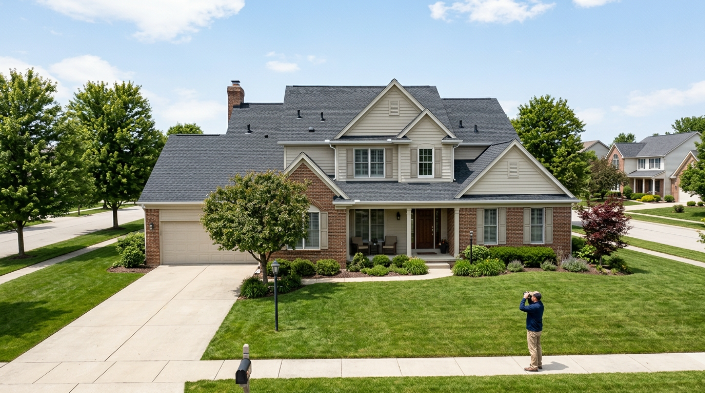
A roof works as a complete system.
The visible shingles, panels, or tiles are only one part. Underneath are components such as underlayment, roof decking, flashing, fasteners, vents, and structural framing.
Decking is the wood or structural surface beneath the roof covering. Flashing is metal or another waterproof material installed around chimneys, walls, valleys, skylights, and other vulnerable areas.
If one part fails, water can move into places that are difficult to see.
The National Roofing Contractors Association recommends periodic roof inspections and notes that homeowners should also check roofs after severe weather. Its homeowner maintenance guidance emphasizes looking for deterioration, damaged roofing materials, and drainage problems. NRCA residential roof maintenance guidance
Routine maintenance can help you:
- Catch leaks while they are still small.
- Reduce moisture damage to decking and insulation.
- Keep gutters and drainage paths working.
- Spot storm damage before the next heavy rain.
- Protect roofing warranties by addressing required maintenance.
- Plan for replacement instead of being surprised by an emergency.
Maintenance cannot make an old roof last forever. It can, however, help you get the useful life the roofing system was designed to provide.
Create a Simple Roof Inspection Routine
For most homeowners, a useful routine is to inspect the property from the ground several times a year and after significant storms.
A closer professional inspection may be worthwhile when the roof is older, you have recurring leaks, or you live in an area with frequent hail, high winds, hurricanes, or heavy snow.
Start With a Ground-Level Exterior Check
Walk around your home and look at the roof from several angles.
Binoculars or a camera with zoom can make this easier.
Watch for:
- Missing or lifted shingles.
- Cracked or broken tiles.
- Bent or displaced metal panels.
- Loose ridge caps.
- Rust or corrosion on metal roofing.
- Damaged flashing.
- Sagging roof areas.
- Branches resting against the roof.
- Heavy moss or plant growth.
- Debris collecting in valleys.
- Gutters pulling away from the fascia.
Do not assume that a roof is fine simply because no shingles are lying in the yard. Wind, hail, and water can cause less obvious damage.
Check Inside the House Too
Some of the earliest roof warnings appear indoors.
Look for:
- Brown or yellow ceiling stains.
- Peeling paint near exterior walls.
- Damp attic insulation.
- Dark marks on roof decking.
- Musty odors.
- Visible mold or mildew.
- Rust around nails or metal components.
- Daylight entering through unexpected gaps.
A ceiling stain does not always sit directly below the leak. Water can travel along decking, rafters, pipes, or framing before becoming visible.
Pay Special Attention to Metal Roof Leaks
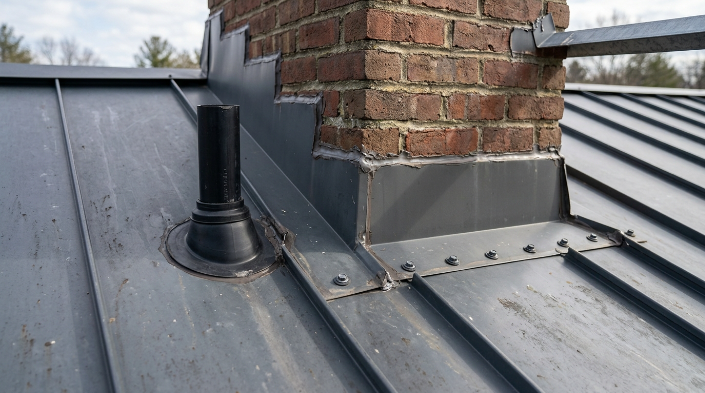
Metal roofing can perform for decades, but it is not leak-proof.
A metal roof leak usually does not mean the metal itself has suddenly failed. Water commonly gets through a connection point or roof penetration.
Potential trouble spots include:
- Panel seams.
- Exposed screws and sealing washers.
- Flashing around chimneys and walls.
- Plumbing vent boots.
- Skylights.
- Ridge and hip details.
- Roof-to-wall transitions.
- Old sealant joints.
- Areas damaged by foot traffic or falling debris.
Metal also expands and contracts as temperatures change. A properly designed system allows for this movement. Poor installation, loose components, failed washers, or incorrectly detailed flashing can eventually create openings.
Do Not Treat Sealant as a Universal Fix
Roofing sealant has legitimate uses, but smearing caulk over every suspicious area is rarely a permanent solution.
If the real problem is loose flashing, incorrect panel overlap, damaged underlayment, or movement in the roof system, adding sealant may only hide the problem temporarily.
Repeated leaks in the same area deserve proper diagnosis rather than another layer of roof cement or caulk.
Keep Gutters and Drainage Paths Clear
Water needs a clean path off the roof and away from the foundation.
Leaves, pine needles, roof granules, twigs, and other debris can block gutters and downspouts. Water may then back up beneath roof edges or spill behind fascia boards.
Check:
- Gutters for debris and standing water.
- Downspouts for blockages.
- Roof valleys for leaf buildup.
- Drain outlets on low-slope roofs.
- Gutter hangers for looseness.
- Downspout discharge locations.
The Insurance Institute for Business & Home Safety includes clearing gutters and downspouts among its recommended measures for reducing severe-weather damage. IBHS thunderstorm preparation guidance
If you can clean gutters safely from the ground using an appropriate tool, that may be reasonable. High gutters, steep roofs, wet surfaces, and awkward ladder positions should be left to professionals.
Keep Trees Away From the Roof
Trees add shade and curb appeal, but overhanging branches can create roof problems.
Branches may:
- Scrape shingles or metal coatings.
- Break during windstorms.
- Drop leaves into valleys and gutters.
- Encourage moss by keeping sections damp and shaded.
- Give squirrels and other animals easier roof access.
Trim limbs that contact or hang dangerously over the roof.
Large tree work should be handled by a qualified tree professional, especially when branches are near power lines or large enough to damage the house if they fall.
Maintain Good Attic Ventilation and Insulation
Not every roofing problem starts outside.
Heat and moisture trapped in an attic can affect roof performance from below.
A balanced ventilation system normally allows outside air to enter through lower vents, such as soffit vents, while warmer air exits through higher vents.
ENERGY STAR explains that proper attic ventilation, insulation, and air sealing work together to control moisture and excessive heat. It also warns homeowners not to block soffit vents with insulation. ENERGY STAR attic ventilation guidance
Possible ventilation problems include:
- Damp roof decking.
- Condensation on nails.
- Mold or mildew.
- Excessive attic heat.
- Ice dams in cold climates.
- Wet insulation.
- Bathroom or dryer vents exhausting into the attic.
Do not assume adding more roof vents automatically solves a problem. Intake and exhaust ventilation need to work as a system.
Know How Your Roofing Material Ages
Different roofing materials show wear in different ways.
The ranges below are useful for planning, but they are not warranty promises. Climate, installation quality, maintenance, product grade, ventilation, storm exposure, and roof design can shorten or extend service life.
| Roofing material | Common planning range | Signs that deserve attention |
|---|---|---|
| Asphalt shingles | About 15–30 years | Curling, cracking, missing shingles, heavy granule loss |
| Metal roofing | Often 40–70 years | Loose fasteners, corrosion, seam problems, failed flashing |
| Clay/concrete tile | Often 50+ years | Cracked, slipped, or broken tiles |
| Wood shakes | Roughly 20–40 years | Splitting, rot, curling, moss growth |
| EPDM/TPO low-slope roofing | Often 20–30 years | Open seams, punctures, bubbles, drainage problems |
Age alone does not tell you whether a roof needs replacement.
A younger roof with poor installation may fail early. An older roof that has been well installed and maintained may still have useful life remaining.
Deal With Small Problems Promptly
Roof damage tends to become more expensive when water is allowed to keep entering the roof assembly.
For example, replacing damaged flashing may be a relatively contained repair. Ignoring the leak could eventually require replacement of:
- Roof covering.
- Underlayment.
- Rotted decking.
- Wet insulation.
- Ceiling drywall.
- Interior paint.
- Damaged framing.
Document problems as soon as you notice them.
Take dated photos of visible damage and interior stains. These records may also be useful if a storm-related insurance claim becomes necessary.
Inspect the Roof After Severe Weather
High winds can lift roofing materials. Hail can damage shingles, metal, flashing, vents, and other components. Falling branches can puncture or distort the roof.
After a storm, inspect safely from the ground.
Look for:
- Missing shingles.
- Bent metal.
- Broken tiles.
- Fallen limbs.
- Loose gutters.
- Damaged vents.
- Debris on the roof.
- New ceiling stains.
- Water in the attic.
Do not climb onto a wet or storm-damaged roof to investigate.
Storm damage may weaken decking or create slippery surfaces that are difficult to recognize from below.
Expert Tip
Expert Tip: Keep a simple roof file with inspection dates, repair invoices, contractor photos, warranty documents, and notes about leaks or storms. A maintenance history makes recurring problems easier to identify and gives contractors better information when repairs or replacement are needed.
Understand Roof Maintenance Costs
There is no single maintenance price that applies to every roof.
Cost depends heavily on:
- Roofing material.
- Roof pitch.
- Number of stories.
- Accessibility.
- Roof size.
- Number of penetrations.
- Extent of damage.
- Local labor rates.
- Whether decking is damaged.
- Whether special equipment is required.
A simple flashing or fastener repair is very different from opening a large section of roofing to replace rotted decking.
Complex metal roofs can also require contractors with specific installation experience. Matching panels, coatings, fasteners, clips, and flashing details may matter when making repairs.
When comparing estimates, ask contractors to separate labor, materials, damaged decking, disposal, flashing work, and optional upgrades where possible.
Protect Your Roof Warranty
Roof warranties often contain conditions homeowners overlook.
You may have more than one warranty:
Manufacturer warranty: Usually relates primarily to the roofing product.
Workmanship warranty: Usually covers installation-related issues for a period defined by the contractor.
Read both before approving repairs.
Ask whether:
- Routine maintenance is required.
- Repairs must use approved materials.
- Another contractor can perform warranty work.
- Unauthorized modifications affect coverage.
- Documentation is required.
- Storm damage is excluded.
Do not assume every leak is covered. Damage caused by storms, structural movement, improper maintenance, another trade, or an unrelated roof penetration may fall outside warranty terms.
Know When Repair Is No Longer the Smart Choice
Maintenance makes sense when the roofing system is fundamentally sound.
Replacement becomes more reasonable when problems are widespread or recurring.
Warning signs include:
- Leaks in several unrelated areas.
- Extensive rotten decking.
- Widespread shingle deterioration.
- Severe corrosion on a metal system.
- Large areas of storm damage.
- Repeated seam or fastener failures.
- Structural sagging.
- A roof near the end of its expected life that requires major repairs.
Do not keep spending money on isolated patches if the complete roof system is failing.
Ask a contractor to explain whether the proposed repair addresses the cause or only treats the visible symptom.
Roof Safety: Know Your Limits
Roof work combines height, slopes, changing weather, fragile surfaces, and tools.
Even a low roof can cause a serious injury.
OSHA’s residential roofing guidance illustrates why professional roofing work requires fall-protection planning and equipment. OSHA residential fall-protection guidance
For homeowners, the safest approach is usually to perform visual inspections from the ground and leave roof access to trained workers.
Never climb onto a roof that is:
- Wet.
- Icy.
- Steep.
- Storm-damaged.
- Structurally questionable.
- Covered with loose debris.
- Difficult to access safely.
Also avoid working near electrical service lines.
Saving the cost of a service call is not worth risking a fall.
When to Consult a Licensed Roofing Contractor
Contact a qualified roofing contractor when you find a problem that involves waterproofing, structural integrity, repeated leaks, or unsafe access.
Professional help is especially appropriate when:
- A metal roof continues leaking after previous repairs.
- Flashing appears damaged around a chimney or wall.
- Decking feels or looks rotten.
- Part of the roof is sagging.
- A major storm has passed through your area.
- Several shingles, panels, or tiles are damaged.
- Water is entering near electrical wiring.
- You suspect hidden moisture or mold.
- The roof may need replacement.
- An insurance claim is involved.
Licensing rules vary by state and locality, so verify whatever credentials are required where you live.
Ask for proof of insurance, a written scope of work, material details, warranty terms, and information about permits when required.
For major work, comparing several detailed written estimates can help you understand whether contractors are recommending similar solutions.
Common Mistakes Homeowners Should Avoid
- Waiting for an active leak before inspecting the roof. Damage often begins before water reaches the ceiling.
- Walking on the roof unnecessarily. Foot traffic can damage roofing and creates a serious fall hazard.
- Covering every leak with sealant. Sealant cannot correct rotten decking or bad flashing design.
- Ignoring attic moisture. Condensation can look like a roof leak and can damage the roof from below.
- Allowing gutters to remain clogged. Poor drainage increases the chance of water-related damage.
- Pressure-washing roofing materials. Aggressive cleaning can damage coatings, shingles, and other roof surfaces.
- Ignoring small storm damage. One displaced component can become an entry point for water.
- Hiring only on price. The cheapest repair may not solve the cause of the problem.
- Failing to document repairs. Photos, invoices, and warranty records can be valuable later.
- Making warranty-sensitive repairs without checking the warranty first. Confirm requirements before altering the roof system.
FAQs
How often should I inspect my roof?
Perform regular visual checks from the ground and check again after severe storms. A professional inspection can be useful when the roof is aging, has experienced major weather, or shows signs of leaks or deterioration.
What is the best way to keep a roof in good condition?
Keep drainage clear, watch for damaged roofing and flashing, maintain proper attic ventilation, trim risky branches, investigate leaks quickly, and avoid unsafe DIY work. Preventive maintenance is usually easier than repairing water damage later.
What usually causes a metal roof leak?
Common sources include flashing, seams, roof penetrations, loose or aging fasteners, sealing washers, damaged panels, and incorrect installation details. The visible drip inside the house may not be directly below the actual entry point.
Can I repair a roof leak myself?
A minor issue may look simple, but roof access and leak diagnosis can be dangerous. Repairs involving flashing, structural damage, steep slopes, electrical hazards, extensive leaks, or storm damage are better handled by an experienced roofing contractor.
Do clogged gutters really damage a roof?
They can. Blocked gutters interfere with normal drainage and may allow water to collect around roof edges, fascia, or other vulnerable areas. Keeping gutters and downspouts clear is a basic part of roof maintenance.
When should I repair a roof instead of replacing it?
Repair usually makes sense when damage is localized and the rest of the roof remains sound. Replacement becomes more practical when deterioration is widespread, leaks keep returning, decking is extensively damaged, or the roof is near the end of its useful life.
Does roof maintenance help extend roof life?
Good maintenance cannot stop normal aging, but it can prevent avoidable deterioration. Keeping drainage open, fixing damaged components promptly, controlling attic moisture, and addressing storm damage can help the roof perform as intended for longer.
Conclusion
Learning how to keep your roof in good condition does not require climbing onto it or becoming a roofing professional.
Focus on the basics: inspect from safe locations, keep gutters and drainage paths clear, maintain attic ventilation, trim threatening branches, document storm damage, and investigate leaks promptly.
Metal roofs deserve special attention around seams, fasteners, penetrations, and flashing because a small opening can allow water into the roof assembly even when the panels themselves still look good.
Most importantly, know when maintenance has become a professional repair problem.
If you notice recurring leaks, widespread deterioration, sagging, storm damage, or signs of rotten decking, schedule an inspection with a qualified roofing contractor. Catching the problem early gives you more options and helps you make a planned roofing decision instead of an emergency one.