
How Often Should You Inspect Your Roof?

Your roof protects your home from rain, wind, snow, heat, and falling debris, but many roofing problems develop quietly before they become obvious indoors. A loose flashing detail, aging sealant, cracked shingle, or metal roof fastener may allow water to enter long before you see a ceiling stain.
So, how often should you inspect your roof? For most homes, a visual roof inspection should be performed at least twice a year—typically in spring and fall—and after severe weather. Professional inspections may also be needed when the roof is older, leaking, recently damaged, or approaching the end of its expected service life.
This guide explains when to inspect your roof, what to look for, how different roofing materials affect inspection frequency, and when a licensed roofing contractor should take over.
Quick Answer
Most homeowners should inspect their roof twice a year, ideally in spring and fall, plus after severe storms. Older roofs, roofs with previous leaks, and homes in hail-, hurricane-, snow-, or high-wind areas may need more frequent checks. Keep homeowner inspections primarily visual and hire a roofing professional when close-up access or repairs are required.
How Often Should You Inspect Your Roof?
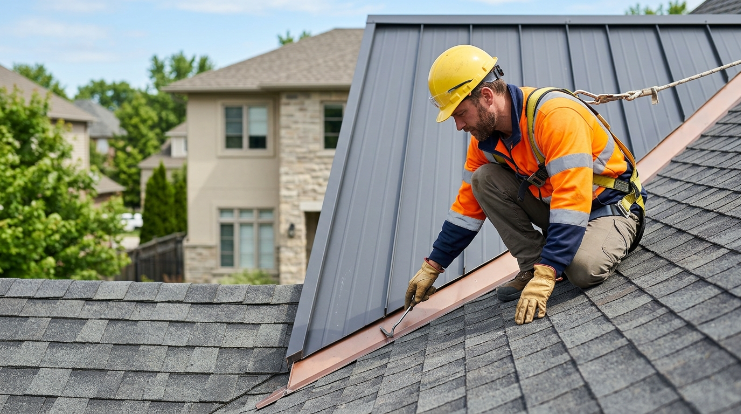
A good general schedule is:
- Spring: Check for damage caused by winter weather.
- Fall: Make sure the roof is ready for winter, heavy rain, snow, or freezing conditions.
- After severe weather: Check after hail, high winds, hurricanes, tornadoes, falling branches, or major snow and ice events.
- Whenever you notice a leak: Do not wait for the next scheduled inspection.
- Before buying or selling a home: A professional assessment may identify roofing problems that are not visible during a basic home walkthrough.
The National Roofing Contractors Association’s residential roof maintenance guidance recommends inspecting residential roof systems at least twice per year, preferably in spring and fall, with additional inspections after severe weather.
That does not necessarily mean climbing onto the roof every six months. For most homeowners, the routine inspection should begin from the ground, inside the attic, and from other safe viewing positions.
Why Regular Roof Inspections Matter
A roof does not normally fail all at once. Many expensive roofing problems start with a relatively small defect.
For example, a metal roof screw may loosen slightly. A flashing joint may separate. A shingle may lift in high wind. Water then reaches the underlayment or decking—the plywood or similar structural surface beneath the roof covering.
If the problem remains unnoticed, moisture may eventually affect:
- Roof decking
- Insulation
- Rafters or trusses
- Drywall
- Ceiling paint
- Electrical fixtures
- Wall finishes
- Attic ventilation components
Early inspection gives you a chance to address the cause before the damage spreads.
Regular inspection also helps you build a record of your roof’s condition. Photos and dated repair invoices can be useful when discussing warranty coverage, contractor recommendations, or storm-related insurance claims.
When You Should Inspect More Frequently
Twice-yearly inspections are a useful baseline, but some roofs deserve closer attention.
Your Roof Is Getting Older
Roof materials gradually deteriorate from sunlight, heat, moisture, wind, freezing temperatures, and repeated expansion and contraction.
An aging roof may need more frequent checks because minor deterioration can accelerate.
Watch closely for:
- Curling or brittle shingles
- Missing granules
- Cracked roofing material
- Rust or corrosion
- Loose fasteners
- Worn sealant
- Deteriorated flashing
- Sagging areas
- Previous repair patches
A roof approaching the end of its expected lifespan should not automatically be replaced, but it deserves more careful monitoring.
Your Roof Has Leaked Before
A previous leak increases the importance of future inspection.
Even when the visible leak appears repaired, the surrounding roof assembly should be monitored. Water may have affected insulation, decking, flashing, or other materials before the repair was completed.
Keep records showing:
- Where the leak appeared indoors
- When it happened
- What weather conditions were present
- What the contractor repaired
- Whether damaged decking or insulation was replaced
- Whether the area has remained dry afterward
You Live in a Severe-Weather Area
Homes exposed to hail, hurricanes, tornadoes, strong thunderstorms, heavy snow, ice, or frequent high winds often need additional inspections.
The Insurance Institute for Business & Home Safety recommends professional roof inspections and needed repairs as part of storm preparation, emphasizing the roof’s role in protecting the rest of the home from wind and water damage.
After severe weather, you may notice damage such as:
- Missing shingles
- Lifted roof edges
- Dented metal panels
- Bent flashing
- Broken tiles
- Loose gutters
- Fallen branches
- Damaged vents
- Missing ridge-cap material
Do not climb onto a storm-damaged roof. The decking or roofing material may be weaker than it appears.
Roof Inspection Frequency by Material
Different roofing materials fail in different ways.
| Roof type | Suggested homeowner check | Common issues to watch for |
|---|---|---|
| Asphalt shingles | Spring, fall, and after storms | Missing shingles, curling, cracks, granule loss |
| Metal roofing | Spring, fall, and after severe storms | Loose fasteners, open seams, rust, damaged flashing |
| Tile roofing | Twice yearly and after impact events | Cracked, slipped, or broken tiles |
| Wood shake | Twice yearly | Splitting, rot, moss, loose shakes |
| Flat/low-slope roofing | At least twice yearly and after storms | Ponding water, membrane damage, clogged drains |
| Older/problem roof | More frequent monitoring | Previous leaks, failing repairs, widespread deterioration |
These are practical maintenance intervals rather than guarantees. Manufacturer instructions, warranties, local climate, roof age, installation quality, and previous problems should also influence your schedule.
How Often Should You Inspect a Metal Roof?
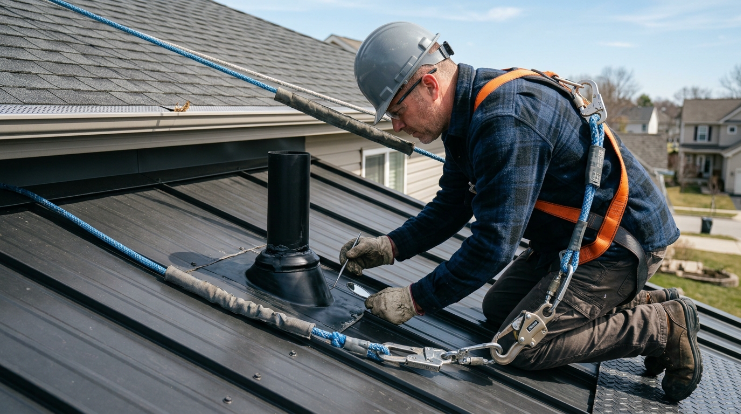
Metal roofs often last for decades, but long lifespan does not mean maintenance-free.
For most residential metal roofs, inspect the system in spring and fall and after significant hail or wind events.
Pay particular attention to:
- Panel seams
- Exposed fasteners
- Flashing around chimneys
- Plumbing vents
- Skylights
- Roof-wall intersections
- Ridge caps
- Valleys
- Sealant
- Rust or coating damage
- Gutters and drainage
Metal expands and contracts as temperatures change. Depending on the roof system, repeated movement may contribute to loosened components, failed sealant, or stress around penetrations.
Watch Closely for Metal Roof Leak Signs
Metal roof leaks can be difficult to locate because water does not always drip directly beneath the point where it entered.
Water may travel along:
- Panels
- Underlayment
- Rafters
- Fasteners
- Pipes
- Roof decking
If you notice an indoor stain, inspect the attic from a safe location and look for the highest visible moisture trail.
Common metal roof leak sources include damaged flashing, aging sealant, loose or incorrectly installed fasteners, open seams, roof penetrations, and storm damage.
Avoid covering every suspicious screw or seam with roofing sealant. That can hide the real cause without creating a durable repair.
What Should a Routine Roof Inspection Include?
A homeowner roof check can be divided into three areas.
1. Inspect From the Ground
Walk around the house in daylight.
Look upward using binoculars or a camera with zoom and check for:
- Missing roofing material
- Lifted edges
- Uneven roof lines
- Damaged ridge caps
- Loose flashing
- Tree branches touching the roof
- Debris buildup
- Rust stains
- Damaged gutters
- Sagging sections
Also examine the ground around your house after storms. Pieces of shingles, flashing, fasteners, or metal trim may indicate roof damage.
2. Check the Attic
If your attic is safely accessible, inspect it without stepping onto unsupported insulation or hidden ceiling surfaces.
Look for:
- Water stains
- Damp insulation
- Darkened decking
- Mold-like growth
- Rusted fasteners
- Active dripping
- Musty odors
- Daylight through unexpected openings
Not every attic moisture problem comes from an exterior roof leak. Condensation and ventilation problems can create similar symptoms.
The U.S. Department of Energy’s durable-attic guidance notes that roof leaks, improper flashing, ventilation problems, and indoor moisture can all contribute to attic moisture damage.
3. Review Gutters and Drainage
Your roof depends on proper drainage.
Check for:
- Clogged gutters
- Overflow marks
- Loose gutter sections
- Damaged downspouts
- Water collecting near the foundation
- Debris accumulating in roof valleys
Poor drainage can keep roofing components wet longer and may contribute to deterioration around roof edges.
What Is the Best Time of Year for a Roof Inspection?
Spring
A spring inspection helps identify problems caused by:
- Snow
- Ice
- Freeze-thaw cycles
- Winter winds
- Falling branches
- Ice dams
It also gives you time to make repairs before summer storms.
Fall
A fall inspection prepares the roof for colder and wetter weather.
Check gutters, drainage, flashings, shingles, metal components, vents, and roof edges before leaves, snow, or ice make inspection more difficult.
After Major Storms
Do not wait until spring or fall after a damaging weather event.
Perform a safe ground-level check after:
- Hail
- Strong winds
- Hurricanes
- Tornadoes
- Large falling branches
- Heavy snow
- Ice accumulation
If damage is visible or you suspect water intrusion, contact a qualified contractor promptly.
Expert Tip
Expert Tip: Take photos from the same ground-level locations during every scheduled inspection. Comparing today’s pictures with photos from six or twelve months earlier makes gradual changes—such as rust, lifting edges, sagging, or deteriorating flashing—much easier to identify.
Does Roof Inspection Frequency Affect Roof Lifespan?
Regular inspections do not magically extend a roof’s lifespan, but they can help prevent small defects from shortening it.
A roof’s service life depends on factors such as:
- Material quality
- Installation quality
- Climate
- Ventilation
- Roof pitch
- Sun exposure
- Storm damage
- Maintenance
- Drainage
- Foot traffic
- Flashing details
A minor defect that is repaired early may remain a simple maintenance issue. The same defect left open to water for several years may lead to damaged decking or more extensive replacement work.
How Much Does a Roof Inspection Cost?
Roof inspection prices vary widely by location, roof size, height, slope, complexity, material, access, and the type of report requested.
A simple visual evaluation may cost less than an inspection involving:
- Multiple roof sections
- Difficult access
- Leak tracing
- Attic investigation
- Moisture testing
- Drone photography
- Written certification
- Insurance documentation
- Commercial or low-slope roofing
Some roofing contractors provide an evaluation as part of an estimate, while independent inspectors may charge a dedicated inspection fee.
Before scheduling, ask exactly what the price includes and whether you will receive photographs and written findings.
Do not choose an inspector based only on the lowest price. The value of an inspection depends heavily on the inspector’s experience with your specific roof type.
Can You Inspect Your Roof Yourself?
You can perform a basic visual inspection, but that does not mean you should walk across your roof.
Ground-level observation can identify many obvious problems.
You may also safely check accessible attic areas.
Getting onto the roof is different. Smooth metal panels, wet shingles, steep slopes, loose debris, damaged decking, and exposed edges create serious fall hazards.
OSHA’s residential fall-protection guidance illustrates the serious fall risks professionals must manage during residential roofing work. OSHA rules generally address employers and workers, but the hazards are just as real for homeowners.
Never assume a roof is safe to walk on because it looks dry or has a relatively low pitch.
Warranty and Insurance Considerations
Inspection and maintenance requirements may also appear in roof warranties.
Review your documents for requirements involving:
- Periodic maintenance
- Approved repair materials
- Contractor qualifications
- Sealant replacement
- Documentation
- Unauthorized alterations
- Storm damage reporting
- Foot traffic
A material warranty and workmanship warranty may also cover different problems.
When storm damage is involved, photograph visible damage from safe locations and keep receipts for emergency protection or repairs. Contact your insurer when appropriate before making major permanent changes that could make the original damage difficult to document.
Do not intentionally create or exaggerate damage for an insurance claim.
When to Consult a Licensed Roofing Contractor
Contact a licensed roofing contractor where licensing applies—or an appropriately qualified roofing professional—when you notice:
- Active leaks
- Several ceiling stains
- Sagging roof areas
- Storm damage
- Missing roof sections
- Loose metal panels
- Open standing-seam joints
- Significant rust
- Broken tile or slate
- Damaged chimney flashing
- Saturated insulation
- Rotted decking
- Repeated leaks after previous repairs
- Water near electrical fixtures
- Structural movement
- A roof nearing the end of its service life
You should also hire a professional when inspection requires walking on a steep, wet, high, fragile, damaged, or unfamiliar roof.
A contractor can determine whether the problem calls for maintenance, localized repair, replacement of damaged decking, a structural assessment, or full roof replacement.
A roof leak does not automatically mean you need a new roof. Likewise, repeatedly patching a severely deteriorated roof is not always economical.
Ask the contractor to explain why a recommended repair or replacement is necessary.
Common Mistakes Homeowners Should Avoid
- Waiting for a ceiling leak before inspecting. Roofing deterioration often develops before water reaches the living space.
- Walking on a wet or damaged roof. The personal safety risk is greater than the potential savings.
- Ignoring minor storm damage. Small openings can allow repeated water intrusion.
- Applying sealant everywhere. Sealant is not a universal solution for flashing, seam, fastener, or structural problems.
- Assuming a newer roof needs no maintenance. Installation defects, storm damage, and debris can affect roofs of any age.
- Ignoring the attic. Interior moisture signs may reveal problems that are difficult to see outside.
- Forgetting gutters and drainage. Roof performance depends on moving water away efficiently.
- Not documenting inspections. Photos, reports, invoices, and repair dates create a useful maintenance history.
- Assuming every stain is an active roof leak. Condensation, plumbing, HVAC equipment, or an older repaired leak may produce similar evidence.
- Making permanent storm repairs before documenting damage. When insurance may be involved, preserve appropriate evidence while preventing additional damage.
FAQs
How often should you inspect your roof?
Inspect your roof at least twice a year, usually in spring and fall, and after severe weather. Older roofs and roofs with previous leaks may need more frequent monitoring.
Should I have my roof professionally inspected every year?
An annual professional inspection can be useful for aging roofs, roofs with recurring problems, complicated roof systems, and homes in severe-weather regions. A newer problem-free roof may not need a paid professional inspection every year if the manufacturer, warranty, or local conditions do not require it.
Should I inspect my roof after hail?
Yes. Perform a safe visual inspection after significant hail. Look for damaged shingles, dented metal, broken tiles, displaced flashing, damaged gutters, and fallen debris. Hire a professional when damage is suspected.
How often should a metal roof be inspected?
A practical schedule is spring, fall, and after major storms. Inspect seams, fasteners, flashing, penetrations, ridge components, coating condition, drainage, and signs of leakage.
Can I inspect a roof without climbing onto it?
Yes. Start from the ground with binoculars or camera zoom, examine visible roof components from windows when possible, and inspect accessible attic areas for moisture. A professional can handle close-up roof access.
Does a roof need inspection if it is not leaking?
Yes. Waiting for a leak can allow hidden damage to worsen. Routine inspection aims to identify problems before water reaches ceilings or walls.
When should I replace instead of repair my roof?
Replacement may make more sense when deterioration is widespread, the roof is near the end of its useful life, repairs are becoming frequent, decking damage is extensive, or repairs cannot reasonably restore reliable performance. A qualified contractor should assess the entire roof before recommending replacement.
Conclusion
So, how often should you inspect your roof? For most homeowners, twice a year—once in spring and once in fall—is a practical baseline, with extra inspections after severe storms or whenever warning signs appear.
Pay attention to shingles or metal panels, flashing, penetrations, gutters, drainage, attic moisture, ventilation, previous leak areas, and changes that develop over time.
Most homeowner inspections can begin safely from the ground and attic. If the roof is steep, damaged, leaking, difficult to access, or showing structural concerns, avoid unnecessary DIY roof access and contact a qualified roofing contractor.
A few minutes of regular observation can help you find changes early. Create a spring-and-fall roof inspection routine, document what you see, and arrange professional evaluation when something does not look right.