
Best Ways to Prevent Roof Leaks on a Metal Roof

A metal roof can protect a home for decades, but it is not completely immune to leaks. Screws can loosen, sealants can deteriorate, flashing can separate, and storm damage can create small openings that allow water into the roof system.
The good news is that many metal roof leaks are preventable. The best ways to prevent roof leaks involve regular inspections, keeping drainage paths clear, maintaining fasteners and flashing, protecting roof penetrations, and repairing minor problems before water reaches the decking, insulation, or ceilings.
This guide explains what homeowners should check, which problems deserve quick attention, and when professional help is safer than DIY maintenance.
Quick Answer
The best ways to prevent roof leaks on a metal roof are to inspect the roof regularly, maintain fasteners and flashing, replace failing sealants, keep gutters and valleys clear, repair storm damage quickly, and check roof penetrations. Professional inspections are recommended when the roof is steep, damaged, aging, or difficult to access safely.
Why Metal Roofs Develop Leaks
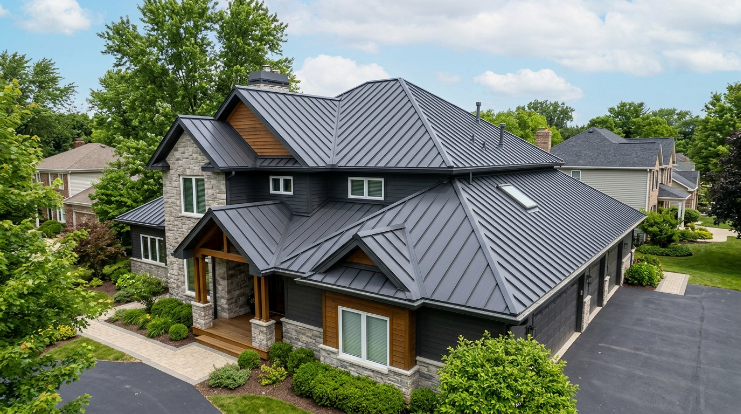
Metal roofing itself is highly resistant to water. Most leaks develop where different parts of the roof connect.
Common vulnerable areas include:
- Exposed screws and sealing washers
- Panel seams and laps
- Chimney flashing
- Plumbing vent pipes
- Skylights
- Ridge caps
- Roof valleys
- Wall-to-roof connections
- Gutters and drainage areas
- Previous repair locations
Metal also expands when temperatures rise and contracts when they fall. Repeated movement can gradually stress seams, fasteners, flashing, and sealants.
The Insurance Institute for Business & Home Safety notes that exposed fasteners deserve particular attention because their gaskets can deteriorate and fasteners may back out over time. Debris can also trap moisture against metal surfaces and contribute to deterioration. IBHS guidance on roof weathering and metal roofs
1. Inspect Your Metal Roof Regularly
Routine inspection is one of the simplest ways to prevent a minor roofing defect from becoming a ceiling leak.
The NRCA homeowner roofing resources explain that regular inspections can uncover problems such as deteriorated flashing and loose seams before serious leaking develops.
For most homeowners, a practical schedule is to visually check the roof:
- During routine home maintenance
- After major windstorms
- After hail
- After falling branches or nearby tree damage
- When new ceiling stains appear
- Before buying or selling the home
- Whenever roof-mounted equipment has been installed or serviced
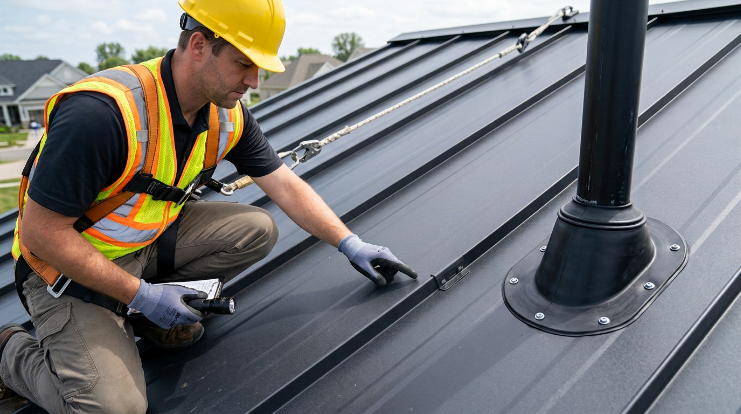
You do not necessarily need to walk on the roof. Binoculars, ground-level viewing, attic inspection, and a qualified roofing contractor can reveal many problems without exposing you to a fall.
What to Look For
Watch for:
- Loose or raised metal panels
- Missing or backed-out screws
- Cracked fastener washers
- Rust or corrosion
- Separated seams
- Deteriorated sealant
- Bent flashing
- Debris in valleys
- Damaged ridge caps
- Openings around vents or pipes
Inside the home, look for ceiling stains, damp insulation, wet decking, peeling paint, musty odors, or discoloration around chimneys and vents.
2. Pay Special Attention to Fasteners
Exposed-fastener metal roofs use roofing screws driven through the panels. A sealing washer beneath each screw helps prevent water from entering the screw hole.
These small components are important leak-prevention points.
Problems develop when a fastener:
- Backs out
- Becomes crooked
- Rusts
- Has a cracked washer
- Is overtightened
- Is installed in an enlarged hole
- Loses its seal because of panel movement
Do not assume that simply tightening every visible screw will solve the problem. Overtightening can damage the washer and potentially make the seal worse.
If numerous fasteners are failing, a contractor may need to determine whether replacing individual screws is sufficient or whether there is a broader installation or age-related problem.
3. Keep Flashing in Good Condition
Flashing is shaped material installed around roof transitions and penetrations to direct water away from vulnerable joints.
On a metal roof, important flashing areas include:
- Chimneys
- Skylights
- Sidewalls
- Roof valleys
- Plumbing vents
- HVAC penetrations
- Roof edges
- Dormers
- Changes in roof slope
Loose, poorly fitted, or damaged flashing creates a path for water.
IBHS recommends checking flashing because loose or missing flashing can contribute to water intrusion, particularly during high-wind storms. IBHS roof maintenance guidance
Do not cover questionable flashing with a thick layer of generic caulk. Proper repair may require removing and reinstalling the flashing so water is directed over—not behind—the roof system.
4. Maintain Sealants Without Overusing Them
Sealant is used at specific joints, penetrations, flashing details, and other locations where a flexible weather-resistant connection is required.
However, more sealant is not automatically better.
The Metal Construction Association’s metal sealant guidance emphasizes using compatible products, preparing clean and dry surfaces, and following the roofing manufacturer’s recommendations. Using an unsuitable sealant can cause premature joint failure and potentially affect warranty coverage.
Watch for sealant that is:
- Cracked
- Brittle
- Pulling away
- Missing
- Peeling
- Discolored or deteriorated
If substantial resealing is needed, identify the correct product for the specific metal, coating, and existing sealant before beginning.
Avoid applying random silicone or roofing cement over an unknown system. Compatibility matters.
5. Protect Roof Penetrations
Every pipe, vent, chimney, skylight, exhaust fan, or rooftop appliance creates an interruption in the roof surface.
That makes penetrations common leak locations.
IBHS technical guidance notes that penetrations through metal roofing deserve careful detailing and that penetrations intersecting panel seams can create water-infiltration concerns. IBHS low-slope metal roof guidance
Check penetrations for:
- Cracked boots
- Loose flashing
- Failed sealant
- Rust
- Gaps
- Movement
- Improper previous repairs
Whenever a plumber, electrician, solar installer, HVAC technician, or satellite installer modifies your roof, consider having the surrounding roofing detail inspected afterward.
A perfectly good metal roof can start leaking because another trade created or improperly sealed a penetration.
6. Keep Valleys, Gutters, and Drainage Paths Clear
Your roof must do more than resist rain. It must move water off the building efficiently.
Leaves, pine needles, branches, dirt, and other debris can slow drainage and hold moisture against metal panels.
Pay particular attention to:
- Valleys
- Gutters
- Downspouts
- Behind chimneys
- Low areas
- Roof-to-wall transitions
Water should not repeatedly pool or be forced sideways beneath roof components.
Debris can also trap moisture against protective roof coatings. On some metal systems, prolonged exposure to wet organic material can contribute to corrosion.
Clean drainage areas from a safe location or hire a professional if roof access is necessary.
7. Control Trees and Falling Debris
Overhanging branches create several roofing risks.
They can:
- Scratch protective roof coatings
- Drop leaves into valleys and gutters
- Break during storms
- Puncture or dent panels
- Damage flashing
- Encourage moisture accumulation
Trim branches that regularly touch or hang dangerously over the roof.
Do not attempt large-tree trimming from the roof. A qualified tree professional can usually remove risky limbs more safely.
8. Address Storm Damage Quickly
Metal roofing performs well in severe weather, but major wind, hail, and falling debris can still damage panels and attachments.
After a significant storm, inspect from the ground for:
- Lifted panels
- Bent edges
- Missing ridge components
- Impact dents
- Damaged flashing
- Loose gutters
- Fallen branches
- New interior water stains
NRCA recommends evaluating storm-damaged roofs from ground level and leaving closer assessment and repair to professional roofing contractors. NRCA storm roof repair guidance
If you may file an insurance claim, photograph visible damage before temporary repairs whenever it is safe to do so. Keep invoices and inspection reports as well.
9. Watch for Corrosion and Coating Damage
Most modern metal roofing includes protective coatings or corrosion-resistant materials.
Once the protective surface is damaged, however, exposed areas deserve attention.
Watch for:
- Rust streaks
- Scratches through the coating
- Corrosion around fasteners
- Peeling finishes
- Corrosion where incompatible metals meet
Not every cosmetic scratch requires major repair. But spreading corrosion, holes, or deterioration around seams and attachments should be professionally evaluated.
10. Make Sure the Attic Is Not Creating a “Roof Leak”
Not every moisture problem comes from rain.
Condensation can collect beneath metal roofing when warm, moisture-filled indoor air reaches colder roof surfaces.
Poor attic ventilation, inadequate insulation, disconnected bathroom exhaust ducts, and excessive indoor humidity can contribute to condensation.
Possible clues include:
- Moisture appearing without rainfall
- Widespread dampness rather than one clear leak
- Wet roof decking on cold mornings
- Mold or mildew in the attic
- Rusting fasteners beneath the roof
- Damp insulation
A roofer or building professional can help distinguish condensation from exterior water intrusion.
Correct diagnosis matters because repeatedly applying roof sealant will not fix an indoor moisture problem.
Metal Roof Leak Prevention Checklist
| Area | Warning Sign | Leak Risk | Recommended Action |
|---|---|---|---|
| Fasteners | Loose screw or damaged washer | Water entering screw hole | Have affected fasteners evaluated |
| Flashing | Bent, loose, or separated metal | Water entering joints | Repair or replace flashing |
| Sealant | Cracking or separation | Water entering seams | Use compatible replacement sealant |
| Penetrations | Gaps around pipes or vents | Localized leakage | Inspect flashing and seals |
| Valleys | Leaves or standing debris | Restricted drainage | Remove debris safely |
| Gutters | Overflow or blockage | Water backing toward roof edge | Clean gutters and downspouts |
| Panels | Rust, punctures, loose edges | Direct water entry | Professional repair |
| Attic | Moisture without rain | Possible condensation | Check ventilation and insulation |
| Storm damage | Lifted or dented panels | Wind-driven rain entry | Arrange professional inspection |
Understand Your Roof’s Age and Lifespan
Metal roofing can provide a long service life, but longevity depends on the system, installation quality, environment, maintenance, and component condition.
IBHS notes that some low-slope metal panel systems can remain in service for 40 years or longer, while specific systems have demonstrated even longer potential lifespans.
The important point is that the metal panel itself may outlast smaller components around it.
An older roof may develop problems with:
- Fastener washers
- Sealants
- Flashing
- Penetration boots
- Coatings
- Previous repairs
A roof approaching the later part of its service life deserves more careful evaluation, especially if leaks are becoming frequent.
On homes with mixed roof materials, also inspect adjoining sections. For example, aging shingles on a porch or addition can allow water to travel toward a metal-roof connection and make the metal section appear responsible.
Repair Costs, Labor, and Warranty Considerations
Preventive maintenance is usually easier to manage than waiting until water damages ceilings, insulation, framing, or electrical components.
The cost of preventing or repairing a leak depends on:
- Roof height and pitch
- Accessibility
- Type of metal roofing
- Number of damaged fasteners
- Extent of flashing repair
- Corrosion
- Number of penetrations
- Storm damage
- Whether panels must be removed
- Interior water damage
- Local roofing labor rates
A small maintenance issue may require only localized work. Widespread seam failure, severe corrosion, damaged decking, or repeated leaks can require substantial repair or replacement.
Before applying coatings, sealants, new fasteners, or patches, check the manufacturer’s warranty requirements. Some warranties specify compatible repair materials and approved installation procedures.
DIY Maintenance vs. Professional Work
Homeowners can safely perform certain observations from the ground or attic.
You may be able to:
- Look for ceiling stains
- Inspect accessible attic areas
- Check gutters from a safe position
- Photograph visible damage
- Watch for debris
- Monitor previously repaired areas
Roof-top repairs are different.
Metal roofs can become extremely slippery from rain, dew, frost, dust, or surface contamination. OSHA’s residential roofing guidance demonstrates why roofing activities require serious fall-protection practices. OSHA residential fall-protection guidance
Do not climb onto a wet, icy, steep, damaged, or unfamiliar metal roof.
Expert Tip: Take dated photos of the same roof areas during periodic inspections. Comparing images over time can make it easier to notice developing rust, backed-out fasteners, shifting flashing, or worsening sealant before a leak becomes obvious indoors.
Common Mistakes Homeowners Should Avoid
Preventing leaks also means avoiding repairs that create new problems.
Common mistakes include:
- Covering everything with sealant. Leak prevention requires fixing the failed detail, not simply burying it under caulk.
- Overtightening roofing screws. This can crush or distort sealing washers.
- Ignoring minor ceiling stains. A small stain can indicate ongoing moisture above the ceiling.
- Walking carelessly on metal panels. You may fall or damage the roofing system.
- Using incompatible materials. Certain metals, coatings, fasteners, and sealants may react poorly together.
- Ignoring drainage problems. A roof cannot remain watertight if water cannot leave efficiently.
- Waiting after storm damage. Wind-lifted flashing or panels may allow the next rainstorm to cause much greater damage.
- Assuming every moisture problem is a roof leak. Condensation and plumbing problems can resemble roofing leaks.
- Hiring solely on the lowest price. Roof leak repairs depend heavily on correct diagnosis and workmanship.
When to Consult a Licensed Roofing Contractor
Professional inspection is the safer choice when:
- The roof is steep or high
- Panels are loose or structurally questionable
- Rust has created holes
- Multiple leaks are appearing
- Flashing needs removal and rebuilding
- The roof has significant storm damage
- Water has reached electrical components
- Decking feels soft or appears rotten
- The leak source cannot be identified
- Large areas require fastener replacement
- A skylight or major penetration is leaking
- Warranty or insurance documentation is involved
Repeated repairs on an aging roof may also signal that replacement deserves consideration.
A contractor should evaluate whether the problem is isolated to one detail or whether there is widespread failure involving panels, underlayment, decking, fasteners, or flashing.
Structural damage, extensive corrosion, sagging decking, or widespread water intrusion should not be treated as a simple DIY leak repair.
FAQs
How often should a metal roof be inspected for leaks?
Regular visual inspections are helpful, particularly after severe storms and whenever you notice indoor moisture. Older roofs or roofs with exposed fasteners may benefit from closer professional monitoring because washers, screws, flashing, and sealants can deteriorate over time.
What is the most common place for a metal roof to leak?
Leaks commonly develop around fasteners, flashing, seams, roof penetrations, valleys, and previous repairs. The visible water stain inside the home may not be directly beneath the actual entry point because water can travel along panels or framing.
Can loose screws cause a metal roof to leak?
Yes. A backed-out, damaged, crooked, or improperly sealed fastener can leave an opening for water. Damaged sealing washers can create the same problem.
Can I prevent metal roof leaks by applying more sealant?
Not necessarily. Sealant should be used only where appropriate and must be compatible with the roofing system. Excess sealant can hide the underlying problem without correcting failed flashing, loose panels, or damaged fasteners.
Do gutters really affect metal roof leaks?
Yes. Blocked gutters and drainage paths can cause water to overflow or collect near roof edges and valleys. Keeping water moving away from the roof reduces unnecessary moisture exposure.
Can condensation look like a metal roof leak?
Yes. Poor ventilation, inadequate insulation, and high indoor humidity can produce condensation beneath metal roofing. If moisture appears even when it has not rained, an attic moisture or ventilation problem should be investigated.
When should a leaking metal roof be replaced instead of repaired?
Replacement may be worth considering when leaks are widespread, panels have severe corrosion, decking has structural damage, repairs repeatedly fail, or the overall roof system is nearing the end of its useful service life. A professional assessment can determine whether targeted repairs still make financial sense.
Conclusion
The best ways to prevent roof leaks on a metal roof are straightforward: inspect the roof regularly, maintain fasteners and flashing, keep drainage areas clear, use the correct sealants, protect roof penetrations, and address storm damage before the next rainfall.
Pay attention to changes inside the home as well. Ceiling stains, damp insulation, peeling paint, musty odors, and attic moisture can provide early warning that water is getting where it should not.
Most importantly, do not turn leak prevention into a safety risk. Ground-level inspection and basic monitoring are reasonable homeowner tasks, but steep roofs, damaged metal panels, complicated flashing, widespread corrosion, and persistent leaks belong in the hands of a qualified roofing professional.
Catching a small problem early can help protect the roof’s service life, reduce interior water damage, and give you more repair options before a minor defect becomes a major roofing project.