How Much Does Roof Maintenance Cost? 2026 Homeowner Guide

Roof maintenance is easy to postpone because most problems stay out of sight until water reaches the attic or ceiling. Unfortunately, a loose flashing detail, clogged drainage area, damaged shingle, or failing metal-roof fastener can become a much more expensive repair when ignored.
So, how much does roof maintenance cost? For most U.S. homeowners, routine maintenance usually means spending a few hundred dollars at a time on inspections, cleaning, drainage upkeep, and minor repairs. Costs can rise above $1,000 when a contractor finds active leaks, damaged flashing, deteriorated roofing materials, or hidden water damage.
This guide explains typical roof maintenance costs, what services are included, how roofing material affects your budget, why metal roof leaks require special attention, and when professional help is worth the expense.
Quick Answer
How much does roof maintenance cost? Most homeowners should expect to spend a few hundred dollars on routine inspection and maintenance, while repairs can push the total above $1,000. Professional roof inspections commonly cost about $100–$400, with cleaning, leak repair, roof type, slope, access, age, and condition affecting the final price.
What Does Roof Maintenance Normally Include?
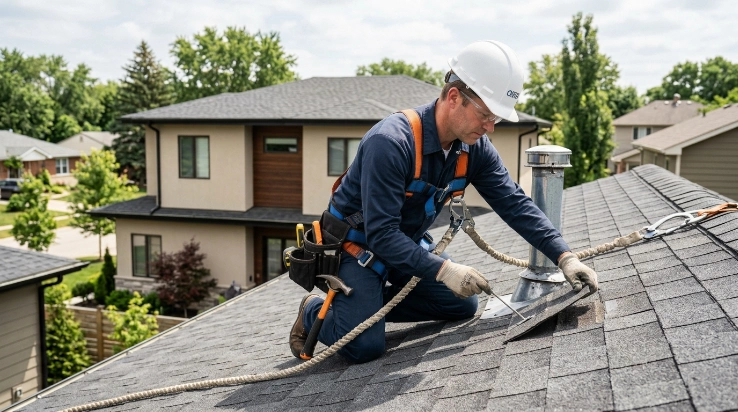
Roof maintenance is not the same thing as replacing a roof or completing a major repair. Maintenance focuses on finding and correcting smaller problems before they damage the roof deck, attic, insulation, ceilings, or walls.
A typical maintenance visit may include:
- Inspecting shingles, tiles, panels, or membrane surfaces
- Checking flashing around chimneys, walls, vents, and skylights
- Looking for loose or missing fasteners
- Checking roof penetrations and pipe boots
- Removing leaves, branches, and other debris
- Inspecting valleys and drainage paths
- Checking gutters and downspouts
- Looking for moss, algae, or biological growth
- Identifying cracked or deteriorated sealant
- Checking for rust or coating damage on metal roofing
- Looking inside the attic for moisture or ventilation problems
- Replacing a small number of damaged roofing components
- Documenting problems that require future repair
The National Roofing Contractors Association recommends periodic roof inspections and routine maintenance, with additional attention after severe weather. Its residential guidance also emphasizes removing debris and addressing damaged roofing components before they compromise the roof’s ability to shed water. NRCA guidance on maintaining residential roof systems
Maintenance is therefore less about making the roof look better and more about preserving its weathertightness—its ability to keep rain and melting snow out of the house.
Average Roof Maintenance Costs in 2026
There is no single national price for a roof maintenance visit because companies bundle services differently.
An inspection may involve only an assessment and report. A maintenance or tune-up appointment may include minor sealing, fastener adjustments, debris removal, and small repairs.
Current 2026 cost data provides some useful benchmarks:
| Roof Service | Typical Cost Range | What It Usually Covers |
|---|---|---|
| Professional roof inspection | $100–$400 | Condition assessment and identification of potential problems |
| Professional roof cleaning | $296–$626 | Removal of dirt, organic buildup, or roof-safe cleaning |
| Minor roof repair | $150–$1,000 | Limited shingle, flashing, vent, sealant, or similar repairs |
| Roof leak repair | $350–$1,500 | Locating and repairing a localized water-entry problem |
| General roof repair | $400–$1,900 | Broader repair work depending on material and damage |
Professional roof inspections average around $100–$400 according to current pricing data, while professional roof cleaning commonly runs around $296–$626. Roof repairs vary considerably more because labor and materials depend on the actual defect.
These are planning ranges, not contractor quotes. Your actual price may be lower or substantially higher depending on where you live and what the inspection uncovers.
How Much Should You Budget Per Year?
For an otherwise healthy roof, setting aside several hundred dollars a year for preventive care is reasonable. You may not spend the entire amount every year.
For example, one year might require only an inspection and gutter service. Another might involve replacing damaged flashing or fixing a leak after a storm.
Older roofs, roofs under heavy tree cover, complex roofs, and homes in areas with frequent hail, high winds, snow, or freeze-thaw cycles generally need a larger maintenance reserve.
The important distinction is between maintenance cost and repair cost.
A maintenance inspection might cost a few hundred dollars. Finding neglected moisture damage beneath the roofing can turn that visit into a four-figure repair.
What Factors Affect Roof Maintenance Cost?
Two homes with the same square footage can have very different roof maintenance bills.
Roof Size
A larger roof takes longer to inspect and clean.
Roofing professionals often measure roofs in squares, with one roofing square equal to 100 square feet of roof surface.
Remember that the roof’s actual surface area can be larger than your home’s floor area because of slope, overhangs, garages, porches, and other roof sections.
Roof Pitch
Pitch means roof steepness.
A low-slope roof may be relatively accessible, while a steep roof requires additional safety equipment and more cautious movement.
Greater difficulty generally means greater labor cost.
Roof Height and Accessibility
A simple one-story ranch is usually easier to service than a three-story house surrounded by landscaping, fences, additions, or narrow access points.
Limited ladder placement can also affect cost.
Roofing Material
Each material has different maintenance needs.
Asphalt shingles may need damaged shingles or flashing replaced. Metal roofing requires attention to seams, fasteners, penetrations, coatings, and corrosion. Tile roofing can require specialized handling because individual tiles may crack when improperly walked on.
Flat EPDM or TPO roofs need careful inspection of seams, penetrations, flashing, drainage, and areas where water may remain after rainfall.
Wood shakes can require additional attention to moisture, biological growth, splitting, and debris buildup.
Roof Age
An older roof normally has more potential failure points than a relatively new system.
Sealants age. Fasteners loosen. Flashing can separate. Shingles lose granules. Metal coatings can deteriorate. Previous repairs may also begin failing.
That does not automatically mean the roof requires replacement, but inspection and maintenance become increasingly important as the roof approaches the later part of its expected service life.
Trees and Debris
Heavy tree cover can increase maintenance needs by depositing:
- Leaves
- Needles
- Twigs
- Seeds
- Sap
- Moss-promoting organic material
Debris can block gutters and valleys or hold moisture against the roofing surface.
Local Labor Costs
Roofing labor varies significantly across the United States. Prices in a high-cost metropolitan area may differ substantially from prices for the same work in a smaller community.
Emergency, weekend, or post-storm service can also carry a premium.
Roof Maintenance Cost by Roofing Material
Maintenance requirements should be considered alongside expected roof lifespan.
Typical service-life ranges vary with climate, product quality, installation, ventilation, and maintenance, but asphalt roofs frequently have shorter service lives than well-installed metal or tile systems. Current roofing cost guidance commonly places metal roofs around 40–70 years, flat roofing around 20–30 years, and many tile systems at 50 years or considerably longer.
Asphalt Shingle Roofs
Asphalt shingles are common and generally straightforward to maintain.
Typical concerns include:
- Missing shingles
- Cracked or curled shingles
- Granule loss
- Exposed nails
- Failed pipe boots
- Damaged flashing
- Moss or algae
- Wind damage
Small problems can often be repaired without replacing the entire roof.
Metal Roofs
Metal roofing can provide decades of service, but it is not maintenance-free.
Important areas include:
- Exposed fasteners
- Rubber or neoprene washers
- Standing seams
- Panel end laps
- Flashing
- Sealant joints
- Penetrations
- Scratched coatings
- Corrosion
- Loose trim
Metal roofing also expands and contracts as temperatures change, so repairs must allow the roofing system to move as designed.
Tile Roofs
Clay and concrete tiles can last for decades, but cracked tiles and flashing problems still need attention.
Walking directly on tiles without the proper technique can cause damage, making professional inspection especially valuable.
Flat, EPDM, and TPO Roofs
Low-slope roofs rely heavily on drainage and properly sealed seams.
Maintenance should look for:
- Standing water
- Blocked drains
- Open seams
- Punctures
- Blisters
- Membrane shrinkage
- Failed flashing
- Deteriorated sealant
Small drainage problems can become serious if water remains on the roof for extended periods.
Wood Shake Roofs
Wood roofing requires close attention to moisture and biological deterioration.
Maintenance may include debris removal and evaluation for splitting, curling, moss, rot, or excessive weathering.
Metal Roof Maintenance and Leak Costs

A metal roof deserves special attention because a leak may not be directly above the indoor water stain.
Water can enter around a screw, seam, vent, flashing detail, or penetration and then travel along the underside of a metal panel or framing member.
Common metal leak sources include:
- Loose or backed-out screws
- Cracked fastener washers
- Failed sealant
- Open seams
- Flashing separation
- Rust or corrosion
- Panel punctures
- Ridge-cap problems
- Plumbing vents
- Skylights
- Chimney transitions
A localized roof leak repair currently averages roughly $350–$1,500 nationally, although complicated flashing, panel removal, hidden moisture damage, or inaccessible roof areas can push the price higher.
Do not assume that covering a leaking seam with ordinary caulk is proper maintenance. Metal roofing components move with temperature changes, and an incompatible sealant or surface patch can fail quickly or interfere with future repairs.
Expert Tip: When a metal roof leaks, ask the contractor to identify the actual water-entry point before approving a broad sealant application. Repairing the cause is usually more valuable than covering symptoms.
Can Regular Maintenance Extend Roof Lifespan?
Maintenance cannot make worn-out materials last forever, but it can prevent avoidable premature damage.
For example, imagine a small gap develops around flashing beside a chimney.
Caught early, a contractor may be able to repair the flashing detail.
Ignored for several seasons, the same opening can allow water to damage:
- Underlayment
- Roof decking
- Insulation
- Ceiling drywall
- Framing
- Interior finishes
Once water reaches structural materials, the repair is no longer just roof maintenance.
Preventive care is especially valuable for roofs approaching the middle or later stages of their expected lifespan.
Roof Maintenance, Warranties, and Insurance
Homeowners sometimes assume the roof warranty or homeowners insurance policy will pay whenever something goes wrong.
That is not necessarily true.
A manufacturer or workmanship warranty does not eliminate the homeowner’s responsibility to inspect and maintain the roof. NRCA homeowner guidance specifically notes that warranties do not replace periodic inspections, maintenance, and necessary repairs. NRCA homeowner inspection and maintenance guidance
Review your own warranty because requirements and exclusions vary by manufacturer and contractor.
Insurance works differently.
Homeowners insurance is designed primarily for covered events rather than normal maintenance. The National Association of Insurance Commissioners explains that a homeowners policy is not a maintenance contract and that ordinary deterioration or upkeep remains the homeowner’s responsibility. NAIC consumer guide to homeowners insurance
For example, sudden roof damage caused by covered wind or hail may qualify for coverage, while deterioration caused by long-term neglect may not.
If a storm damages your roof, photograph the damage and contact your insurer before completing permanent repairs unless immediate work is necessary to prevent additional damage.
DIY Roof Maintenance vs. Professional Maintenance
Some maintenance can be handled from the ground.
Homeowners can often safely:
- Look for missing or displaced materials with binoculars
- Inspect ceilings for stains
- Check the attic for moisture
- Photograph visible storm damage
- Observe gutters and downspouts during rain
- Trim safe-to-reach vegetation away from the structure
Climbing onto the roof is different.
Roofing is a fall hazard, and wet metal, mossy shingles, loose granules, ice, or steep slopes make the risk greater.
OSHA’s residential construction guidance illustrates the extensive fall-protection measures used for professional roofing work. OSHA residential roofing fall-protection guidance
If you do not have appropriate fall protection, roofing experience, and safe access, inspect from the ground and leave roof-level work to a qualified professional.
The savings from DIY maintenance are not worth a serious fall.
Warning Signs That Maintenance Has Become a Repair
Call a roofing professional when you notice:
- Active ceiling drips
- Brown ceiling stains
- Wet attic insulation
- Soft or sagging decking
- Missing shingles after a storm
- Large areas of granule loss
- Open metal seams
- Rust around metal fasteners
- Cracked or displaced flashing
- Water near electrical fixtures
- Sagging roof areas
- Multiple previous patches
- Persistent moldy or musty attic odors
A small isolated issue may still be repairable.
Multiple problems across an aging roof can indicate that continued patching is becoming less economical than replacement.
When to Consult a Licensed Roofing Contractor
A professional roof evaluation is particularly important when:
- The roof is steep or more than one story high.
- You have an active or recurring leak.
- Storm damage is widespread.
- Metal panels or standing seams are separating.
- Flashing around a chimney or wall is failing.
- Roof decking feels soft or appears deteriorated.
- Multiple areas are leaking.
- The roof is near the end of its expected lifespan.
- You are preparing an insurance claim.
- Your roof remains under warranty.
- You cannot confidently identify the source of moisture.
When hiring a roofer, request a written explanation of the problem, proposed repairs, materials, labor, warranty terms, and total cost.
Avoid making a hiring decision based entirely on the lowest quote.
The Federal Trade Commission recommends checking licensing and insurance, obtaining multiple written estimates, reviewing contracts carefully, and avoiding contractors who pressure homeowners for immediate decisions or full payment up front. FTC guidance for avoiding home-improvement scams
Common Mistakes Homeowners Should Avoid
- Waiting for a visible leak. Roofing problems often begin long before water stains appear indoors.
- Ignoring gutters and drainage. Water needs a clear path away from the roof and foundation.
- Walking on a wet roof. Metal and other roofing materials can become dangerously slippery.
- Using pressure washing indiscriminately. Excessive pressure can damage some roofing materials and coatings.
- Covering every metal seam with caulk. The underlying cause of the leak should be identified first.
- Assuming insurance covers neglect. Routine maintenance is normally the homeowner’s responsibility.
- Ignoring attic ventilation. Excessive heat and moisture can shorten roof-system life.
- Hiring only by price. An incomplete low-cost repair may become more expensive when the leak returns.
- Failing to document maintenance. Keep inspection reports, invoices, photographs, and warranty information.
- Repairing structural damage yourself. Sagging decking, damaged framing, or widespread moisture requires professional assessment.
FAQs
How much does roof maintenance cost per year?
A healthy residential roof may require only a few hundred dollars of maintenance in a typical year. Costs increase when professional cleaning, damaged flashing, missing shingles, leaking penetrations, metal-roof repairs, or other corrective work is needed.
How often should a roof be inspected?
A visual check is sensible in spring and fall and after major storms. NRCA has recommended inspecting residential roof systems at least twice per year and after severe weather, although professional inspection frequency can depend on roof age, material, accessibility, warranty requirements, and local conditions.
Is roof maintenance worth the money?
Usually, yes. Maintenance can identify small problems before water damages decking, insulation, ceilings, or framing. It cannot stop normal aging, but it can help prevent avoidable deterioration and unexpected repair bills.
How much does it cost to inspect a roof?
Professional residential roof inspections commonly cost about $100–$400, depending on roof size, complexity, inspection method, slope, and accessibility. Specialized drone or infrared inspections may cost more.
Does a metal roof need regular maintenance?
Yes. Metal roofs should still be checked for loose fasteners, failed washers, open seams, flashing problems, damaged sealant, scratched coatings, corrosion, debris, and drainage issues. Standing-seam and exposed-fastener systems have different maintenance requirements.
Does homeowners insurance pay for roof maintenance?
Generally, no. Routine maintenance and deterioration are normally the homeowner’s responsibility. Insurance may cover qualifying sudden damage from a covered peril such as wind or hail, depending on the policy, deductible, roof condition, and coverage terms.
Should I repair or replace an older roof?
Consider the roof’s age, material, overall condition, number of leaks, extent of decking damage, remaining warranty, and cost of repeated repairs. One isolated problem may justify repair. Widespread deterioration, structural damage, repeated leaking, or multiple failing roof areas may make replacement more practical.
Conclusion
So, how much does roof maintenance cost? For a healthy residential roof, homeowners should generally expect preventive care to cost a few hundred dollars at a time, with professional inspections commonly around $100–$400. Cleaning, roof complexity, material type, height, slope, storm exposure, and repairs can increase that amount substantially.
The best way to control long-term roofing costs is to catch problems while they are still small.
Check the roof and attic regularly, keep drainage paths clear, document storm damage, and pay particular attention to flashing, penetrations, shingles, metal seams, and fasteners.
If you see an active leak, structural movement, widespread deterioration, or unsafe roof conditions, arrange an inspection with a qualified roofing contractor rather than attempting a risky DIY repair.
A modest maintenance bill today can be far easier to manage than damaged decking, wet insulation, interior repairs, or premature roof replacement later.