
Why Do Roofs Leak as They Get Older? Understanding Aging Metal Roof Problems

A roof leak can be frustrating, especially when your roof looked strong for years and suddenly starts showing water stains, damp spots, or interior damage. Many homeowners wonder, why do roofs leak as they get older? The answer usually comes down to aging materials, worn seals, weather exposure, damaged flashing, and years of small problems becoming bigger issues.
Metal roofs are known for their durability and long lifespan, but they are not completely maintenance-free. Over time, fasteners can loosen, seams can weaken, coatings can wear away, and areas around vents or flashing can become vulnerable to water intrusion.
Understanding why older roofs leak helps homeowners identify warning signs early, decide whether repairs are enough, and avoid expensive damage to insulation, ceilings, and structural components.
Quick Answer
Roofs leak as they get older because years of sun, rain, wind, temperature changes, and moisture exposure gradually weaken roofing materials and protective components. On metal roofs, aging fasteners, failed sealants, rust, damaged seams, and flashing problems are common causes of leaks.
Why Do Roofs Leak as They Get Older?
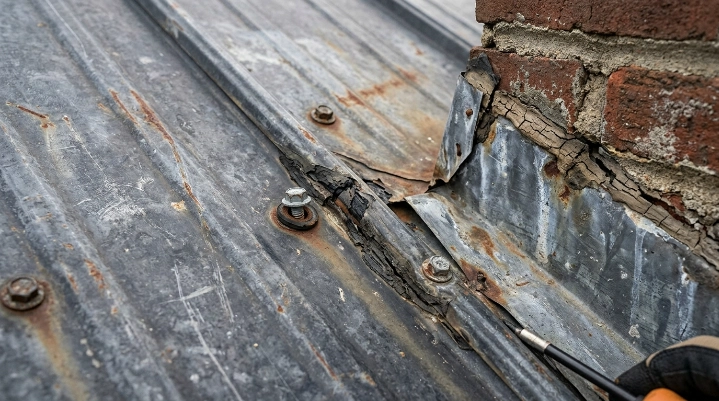
Every roof experiences wear over time. Even high-quality roofing materials slowly lose their ability to resist water as they age.
A roof does not usually fail because of one single problem. Instead, leaks often happen after several small issues combine, such as:
- Aging sealants around roof penetrations
- Loose or damaged fasteners
- Expansion and contraction from temperature changes
- Storm damage
- Poor ventilation causing moisture buildup
- Previous repairs that have failed
For metal roofs, movement is one of the biggest factors. Metal expands in hot weather and contracts when temperatures drop. After many years, these repeated movements can stress seams, screws, and flashing areas.
Common Reasons Older Metal Roofs Start Leaking
1. Worn-Out Roof Sealants
Metal roofs often rely on sealants around joints, screws, vents, and flashing to keep water out. These materials do not last forever.
Over time, sealants can:
- Crack
- Shrink
- Separate from metal surfaces
- Become brittle from UV exposure
A small opening in sealant may allow water to enter during heavy rain.
2. Loose or Failed Fasteners
Many metal roofs use screws or fasteners with rubber washers that create a waterproof seal. As the roof ages, these washers can deteriorate.
Fasteners may also loosen because of:
- Wind movement
- Metal expansion and contraction
- Improper installation
- Normal aging
A loose screw hole can allow water to travel underneath roofing panels.
3. Damaged Roof Seams
Metal roof panels are connected through seams that help create a continuous protective barrier.
Over decades, seams can weaken because of:
- Thermal movement
- Heavy storms
- Poor installation
- Aging sealants
When seams separate slightly, water can move underneath the panels and create hidden leaks.
4. Aging Flashing Around Roof Openings
Flashing protects vulnerable areas where water could enter, including:
- Chimneys
- Skylights
- Roof vents
- HVAC equipment
- Valleys and roof edges
According to the National Roofing Contractors Association homeowner resources, regular roof inspections help identify maintenance concerns before small issues become major repairs.
Signs Your Older Roof May Be Developing Leaks
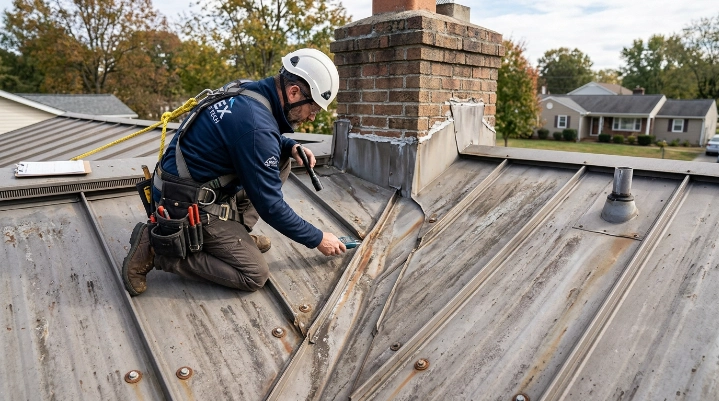
Many roof leaks begin before homeowners notice water inside the house.
Watch for these warning signs:
| Warning Sign | Possible Cause |
|---|---|
| Water stains on ceilings | Roof penetration or flashing failure |
| Rust spots on metal panels | Coating damage or moisture exposure |
| Loose screws | Aging fasteners or movement |
| Damp insulation | Hidden water intrusion |
| Peeling paint indoors | Long-term moisture problems |
| Mold or musty odors | Persistent roof moisture |
Early detection can reduce repair costs and prevent structural damage.
How Long Do Metal Roofs Usually Last?
Metal roofs are among the longest-lasting roofing systems available. Many properly installed metal roofs can last 40–70 years or more depending on the material, climate, maintenance, and installation quality.
| Roof Material | Typical Lifespan |
|---|---|
| Steel metal roof | 40–70 years |
| Aluminum roof | 40–70+ years |
| Copper roof | 70+ years |
| Asphalt shingles | 15–30 years |
| Tile roof | 50+ years |
A long lifespan does not mean a roof never needs attention. Regular inspections and maintenance are still important.
Does an Older Metal Roof Always Need Replacement?
No. An older metal roof may only need targeted repairs if the underlying structure is still strong.
Repair may be appropriate when:
- Leaks are limited to specific areas
- Panels are still in good condition
- Damage is caused by worn sealants or fasteners
- Rust is minor and treatable
Replacement may be a better option when:
- Leaks occur repeatedly
- Large sections are damaged
- Panels are severely corroded
- The roof has reached the end of its expected service life
- Repairs cost nearly as much as replacement
Expert Tip: Do not wait until a small roof leak damages your attic or interior walls. A professional inspection can often identify repair needs before expensive damage develops.
How Weather Causes Older Roof Leaks
Roofs protect homes through every season, but extreme weather accelerates aging.
Common causes include:
Heavy Rain
Continuous rain tests every seam, joint, and flashing area. Older sealants may allow water to penetrate during long storms.
Strong Winds
Wind can lift panels, damage edges, and loosen fasteners.
Hail
Hail can dent metal panels, damage protective coatings, and create weak areas where corrosion may develop.
Sun Exposure
UV rays gradually break down coatings and sealants, especially on roofs exposed to direct sunlight.
For homeowners dealing with storm-related roof concerns, FEMA storm damage guidance provides helpful information about protecting homes after severe weather events.
Roof Maintenance Tips to Prevent Aging Leaks
Regular maintenance can extend the useful life of a metal roof.
Homeowners should:
- Schedule routine roof inspections.
- Keep gutters and drainage systems clear.
- Remove leaves and debris from roof surfaces.
- Check visible fasteners for problems.
- Inspect areas around vents and flashing.
- Address small leaks quickly.
The Insurance Institute for Business & Home Safety (IBHS) also provides homeowner guidance on reducing weather-related property damage.
Common Mistakes Homeowners Should Avoid
- Ignoring small ceiling stains because the leak appears minor
- Applying temporary sealants without finding the real source
- Walking on a metal roof without proper safety equipment
- Replacing only visible damaged areas without checking surrounding damage
- Assuming a long-lasting roof requires no maintenance
- Delaying repairs after storms
When to Consult a Licensed Roofing Contractor
Some roofing problems should not be handled as DIY projects. Metal roofs can be slippery, and incorrect repairs may create additional leaks.
Contact a licensed roofing contractor when:
- You cannot locate the leak source
- The roof has widespread corrosion
- Structural damage is suspected
- Insurance documentation is needed
- The roof requires panel replacement
- You are deciding between repair and replacement
A professional can evaluate the roof system, inspect hidden damage, and recommend the safest solution.
Roofing Materials and Aging Comparison
| Roof Type | Strength | Common Aging Issues |
|---|---|---|
| Metal | Long lifespan and strong weather resistance | Fasteners, seams, coatings |
| Asphalt Shingles | Affordable and common | Granule loss, curling, cracking |
| Tile | Extremely durable | Broken tiles, underlayment aging |
| Flat Roofing | Good for certain buildings | Ponding water, membrane damage |
| Wood Shake | Natural appearance | Rot, moisture, fire concerns |
Choosing the right solution depends on the roof material, climate, budget, and current condition.
Frequently Asked Questions
Why do roofs leak as they get older?
Roofs leak as they age because materials, seals, flashing, and connections gradually wear down after years of exposure to weather.
Can an old metal roof be repaired?
Yes. Many older metal roofs can be repaired if the panels and structure remain in good condition.
How often should an older roof be inspected?
Most homeowners should schedule regular inspections, especially after severe storms or when the roof shows signs of aging.
Are metal roofs maintenance-free?
No. Metal roofs require less maintenance than many materials, but fasteners, seams, coatings, and flashing still need attention.
Should I replace my roof if it leaks?
Not always. A professional inspection can determine whether repairs are sufficient or whether replacement is more cost-effective.
Can roof leaks cause structural damage?
Yes. Long-term leaks can damage insulation, wood framing, ceilings, and other parts of the home.
Conclusion
Understanding why do roofs leak as they get older helps homeowners take action before small problems become expensive repairs. Metal roofs are durable and long-lasting, but aging fasteners, worn sealants, damaged seams, and weather exposure can eventually create weak points.
Regular inspections, timely maintenance, and professional repairs can help extend your roof’s life and protect your home. If your older roof is showing warning signs, the smartest next step is to schedule an evaluation with a qualified roofing professional before the damage spreads.