
Common Causes of Roof Leaks in Metal Roofs: What Homeowners Should Know

A metal roof is known for durability, long lifespan, and strong protection against weather, but it is not completely immune to problems. Many homeowners assume metal roofs never leak, yet issues can develop over time because of installation mistakes, damaged components, aging materials, or poor maintenance.
Understanding the common causes of roof leaks is important because small roofing problems can quickly lead to water damage, mold growth, insulation problems, and expensive repairs.
Metal roofs require proper installation, regular inspections, and timely maintenance to perform at their best. In this guide, we will explain why metal roofs leak, the warning signs to watch for, repair considerations, and when homeowners should contact a licensed roofing professional.
Quick Answer
The common causes of roof leaks in metal roofs include damaged seams, loose fasteners, failed flashing, poor installation, clogged drainage systems, roof movement, and aging sealants. Regular inspections and professional repairs can help prevent minor issues from becoming major water damage problems.
Why Do Metal Roofs Leak?
Metal roofing systems are designed to handle harsh weather, including rain, wind, snow, and sunlight. However, a roof is made of many connected parts, and every connection point creates a possible weak area.
Unlike some roofing materials, metal expands and contracts as temperatures change. Over years of seasonal movement, screws, seals, seams, and flashing areas can weaken.
Common reasons metal roofs develop leaks include:
- Incorrect installation
- Damaged or missing fasteners
- Failed roof sealants
- Loose metal panels
- Poor flashing installation
- Storm damage
- Blocked gutters and drainage issues
- Aging roofing components
A leak does not always appear directly below the damaged area. Water can travel along panels, insulation, and framing before entering the home.
Damaged or Loose Fasteners
One of the most common causes of metal roof leaks is fastener failure.
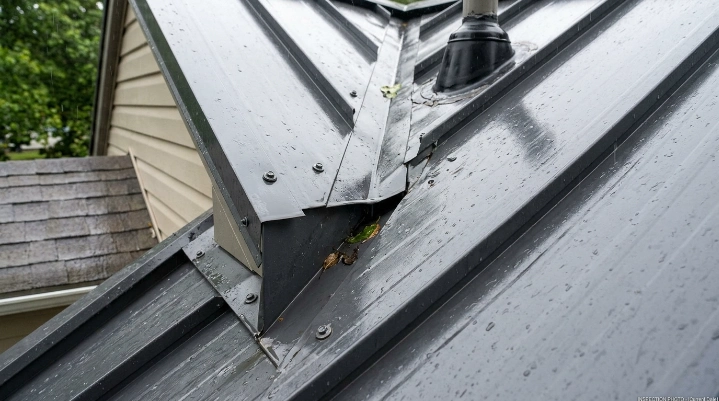
Metal roofs often use screws with rubber washers that create a waterproof seal. Over time, these washers can become brittle due to sun exposure. Screws may also loosen because of repeated expansion and contraction of metal panels.
Signs of fastener problems include:
- Water spots on ceilings
- Rust around screws
- Missing screws
- Loose roofing panels
- Small leaks after heavy rain
Replacing damaged fasteners and resealing affected areas can often solve minor leaks before they spread.
Failed Roof Seams
Metal roof panels are connected through seams that must remain watertight. Over time, seams may separate because of movement, weather exposure, or improper installation.
Seam problems are especially common in older metal roofs.
Homeowners may notice:
- Leaks appearing after storms
- Moisture near ceiling edges
- Water entering around panel connections
Professional inspection is often needed because seam failures may not be visible from the ground.
Poor Installation Problems
Even high-quality metal roofing can fail if it is installed incorrectly.
Installation mistakes may include:
- Incorrect screw placement
- Improper panel overlap
- Missing underlayment
- Poor flashing techniques
- Incorrect roof slope planning
A roof installer must understand how metal roofing systems move and respond to temperature changes. Poor workmanship can shorten the expected lifespan of the roof.
According to the National Roofing Contractors Association roofing resources, proper installation practices and regular inspections are essential parts of maintaining roofing performance.
Failed Flashing Around Roof Openings
Flashing protects areas where the roof meets another structure or where openings exist, such as:
- Chimneys
- Skylights
- Vents
- Roof edges
- Walls
When flashing becomes damaged or improperly sealed, water can enter through small gaps.
Flashing problems are among the most difficult leaks to diagnose because water may travel before appearing inside the home.
Storm and Weather Damage
Metal roofs are strong, but severe weather can still cause damage.
Heavy storms may create:
- Bent panels
- Damaged seams
- Loose fasteners
- Punctures from falling branches
- Damaged flashing
After major storms, homeowners should inspect their roof from a safe location and look for visible damage.
The Insurance Institute for Business & Home Safety storm preparation guidance recommends regular maintenance and inspections to reduce damage risks from severe weather events.
Roof Expansion and Contraction
Metal naturally expands in hot weather and contracts in colder conditions. This movement is normal, but repeated cycles can place stress on roofing components.
Over time, movement may cause:
- Loose screws
- Sealant cracks
- Panel separation
- Fastener holes becoming larger
A properly installed metal roof accounts for this movement. Problems usually occur when installation methods do not allow enough flexibility.
Poor Roof Maintenance
Although metal roofs require less maintenance than many other roofing materials, they still need regular care.
Homeowners should check for:
- Leaves and debris buildup
- Damaged sealants
- Rust spots
- Blocked gutters
- Loose components
Regular maintenance helps identify small issues before they become costly repairs.
Metal Roof Lifespan and Leak Risk
A properly installed metal roof can last several decades. However, lifespan depends on:
| Metal Roof Factor | Impact on Leak Risk |
|---|---|
| Installation quality | Poor installation increases future problems |
| Weather exposure | Severe storms can damage panels and seals |
| Maintenance schedule | Regular checks reduce repair needs |
| Material quality | Better materials usually last longer |
| Ventilation | Poor ventilation can increase moisture problems |
Aging roofs do not always need immediate replacement, but repeated repairs may indicate that replacement is more practical.
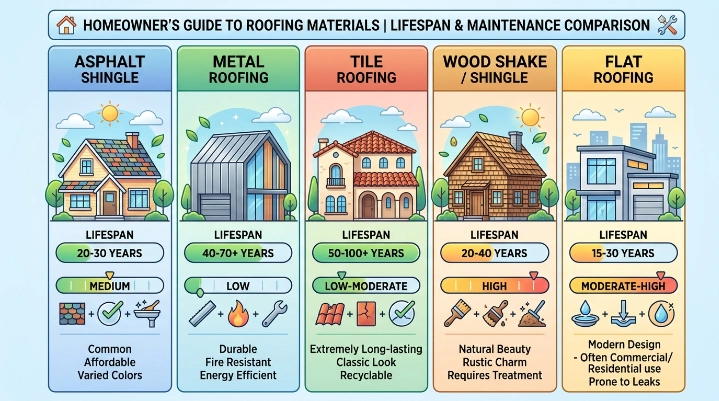
Metal Roof vs Other Roofing Materials
| Roof Material | Typical Lifespan | Maintenance Needs |
|---|---|---|
| Metal | 40–70 years | Low to moderate |
| Asphalt shingles | 15–30 years | Moderate |
| Tile | 50+ years | Low but repairs can be complex |
| Flat roofing systems | 15–25 years | Regular inspections needed |
| Wood shake | 20–40 years | Higher maintenance |
The right roofing choice depends on climate, budget, home design, and maintenance expectations.
Warning Signs Your Metal Roof May Be Leaking
Look for these common warning signs:
- Water stains on ceilings
- Damp attic insulation
- Musty odors
- Peeling paint near ceilings
- Visible rust
- Missing screws or damaged panels
- Mold growth
Finding these signs early can prevent larger structural problems.
Expert Tip
Expert Tip: Do not wait until water enters your living space before inspecting a metal roof. Small sealant failures and loose fasteners are much easier and cheaper to repair when discovered early.
When to Consult a Licensed Roofing Contractor
Some roofing issues may appear simple but require professional experience.
Contact a licensed roofing contractor when:
- The leak source is difficult to locate
- Roof panels are damaged
- Structural damage is suspected
- Storm damage may involve an insurance claim
- The roof requires walking on steep or unsafe areas
DIY roof repairs can create additional damage if materials are installed incorrectly. Walking on metal roofing without proper knowledge can also be dangerous.
Professional contractors can evaluate whether repairs, partial replacement, or a complete roof replacement is the best option.
Common Mistakes Homeowners Should Avoid
- Ignoring small leaks until major damage occurs
- Applying random sealants without finding the real cause
- Walking on the roof without safety equipment
- Replacing parts without understanding the roofing system
- Choosing the cheapest contractor without checking experience
- Skipping inspections after major storms
FAQs
Can a metal roof leak after heavy rain?
Yes. Metal roofs can leak after heavy rain if seams, flashing, fasteners, or seals are damaged.
How often should a metal roof be inspected?
Most homeowners should schedule inspections at least once or twice per year and after major storms.
Are metal roof leaks expensive to repair?
Repair costs vary depending on the cause. Small fastener or seal repairs are usually less expensive than replacing damaged panels or repairing structural issues.
Can I repair a metal roof leak myself?
Minor maintenance tasks may be possible, but professional repairs are recommended for leaks involving seams, flashing, panels, or structural concerns.
How long does a metal roof usually last?
A properly installed metal roof can often last 40 to 70 years depending on materials, climate, and maintenance.
Do metal roofs need maintenance?
Yes. Metal roofs need periodic inspections, cleaning, and repairs to maintain their performance.
Conclusion
Metal roofs provide excellent durability and long-term value, but they can still develop problems. Understanding the common causes of roof leaks helps homeowners identify warning signs and take action before damage becomes severe.
Loose fasteners, failed seams, damaged flashing, poor installation, and storm damage are some of the most frequent causes of metal roof leaks. Regular inspections and professional maintenance can extend roof life and protect your home.
If you notice signs of moisture, damage, or aging roofing components, consider scheduling an inspection with a qualified roofing contractor to determine the safest and most cost-effective solution.